
 Abilify for Depression: What Research Says
How Abilify Eases Depressive Symptoms at Brain-level
Clinicians describe aripiprazole as a neurochemical balancer: it gently nudges dopamine and serotonin into healthier patterns rather than fully blocking them. At low levels it can boost prefrontal dopamine signaling, improving motivation and concentration, and at higher activity sites it tempers excessive limbic dopamine linked to agitation. Teh nuanced action helps restore reward processing and mood regulation without the heavy dampening of older antipsychotics, making changes feel gradual, not jarring.
On a cellular level aripiprazole acts as a partial D2 agonist and a 5-HT1A partial agonist while antagonizing 5-HT2A, which helps stabilize circuits tied to anhedonia and anxiety. Imaging shows enhanced prefrontal connectivity and modest glutamate modulation. Side effects are variable, and improvements can be slow and occassionally subtle so clinicians titrate carefully.
| Target | Effect |
|---|---|
| D2 partial agonist | Stabilizes dopamine |
| 5-HT1A partial agonist | Anxiolytic pro-mood |
| 5-HT2A antagonist | Reduces side effects |
Key Clinical Trials: Does Abilify Actually Help?
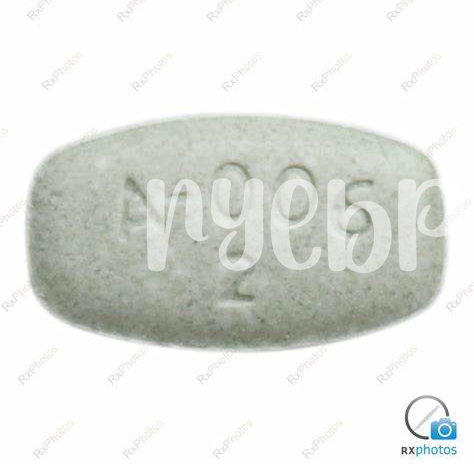
Clinical trials for abilify focused mostly on adjunctive use with SSRIs or SNRIs. Large randomized, placebo-controlled studies reported modest but statistically significant improvements in depressive symptoms, giving clinicians cautious optimism while acknowledging limitations in sample diversity.
Response and remission rates were higher than placebo in several trials, with effect sizes often small to moderate; some meta-analyses found single-digit NNTs, suggesting real clinical value. Side effects rose too, so the benefit-risk calculus remains nuanced and patient-centered.
For people who haven't improved on monotherapy, adjunctive abilify can be a reasonable step. Clinicians should monitor akathisia and metabolic changes, set realistic expectations, and practice shared decision-making; patients often may notice improvement quickly but Occassionally experience troubling side effects.
Abilify Versus Alternatives: Augmentation Strategies Compared
Clinicians often weigh augmentation when antidepressants give partial benefit. One path uses atypical antipsychotics like abilify, which modulates dopamine and serotonin to amplify mood response, while other approaches add lithium, thyroid hormone (T3), or psychotherapy. Choice hinges on symptom profile, side-effect sensitivity, and patient preference.
Trials show modest response-rate gains with antipsychotic augmentation versus switching; meta-analyses report quicker symptom reduction but increased metabolic and extrapyramidal risks. Lithium and T3 have long safety data and may outperform for suicidality or severe melancholic features, though evidence varies by study design.
Practically, start at low dose and titrate slowly, monitor weight, lipids and glucose, and screen for movement disorders. Consider lithium when suicide risk is high; T3 for residual fatigue. Discuss risks up front, set measurable goals, and plan trials of limited duration—adjust if benefits are noticable or adverse effects occassionally limit tolerability.
Side Effects and Safety: What to Expect

I remember a patient describing mornings as heavy curtains, lifting slowly after starting medication; clinicians watch for common early reactions like nausea, insomnia, or restlessness, explaining patterns and offering coping tips to ease transition daily.
With adjunctive treatments like abilify, clinicians monitor akathisia, sedation, or metabolic shifts; Occassionally movement symptoms emerge, prompting dose change, beta blockers, or alternative strategies while tracking lipids, glucose, and patient-reported functioning outcomes and clinical reassessment.
Serious adverse events are uncommon but neccessary vigilance includes watching mood shifts, emergent suicidal thoughts in younger patients, and extrapyramidal signs; early recognition allows stopping or switching medication to minimize long-term harm with timely follow-up.
In practice, patients benefit when clinicians set expectations clearly, provide written side-effect plans, schedule routine labs, and encourage exercise, diet, and open communication; shared decision-making ensures treatment aligns with goals and tolerability over time ultimately.
Long-term Outcomes: Relapse Prevention and Durability Data
Long-term studies of abilify show modest relapse reduction for many patients, with benefits that often build over months. Clinicians describe durability but note response variability and occasionally waning effect. Open-label follow-ups and real-world registries add context to trial data.
Not universal.
| Measure | Finding |
|---|---|
| Relapse rate | Lower vs placebo |
| Maintenance | Mixed evidence |
Decisions balance sustained symptom control, side effects, and patient goals; some need dose adjustments or other add-ons. Shared monitoring and realistic expectations are neccessary to acheive long-term stability. Regular review can limit tolerability issues and guide tapering decisions if needed.
Who Benefits Most: Predictors, Practical Prescribing Guidance
Clinicians often see patients with partial response to antidepressants, persistent anhedonia, or marked functional impairment benefit from aripiprazole augmentation. Teh evidence suggests faster symptom reduction in those with residual symptoms and prior tolerability to atypical antipsychotics. Baseline screening for metabolic risk and movement disorders is indispensable.
Start low and titrate slowly—common starting doses are 2-5 mg daily, with close monitoring for akathisia, weight gain, lipids, and glucose. Reserve augmentation for individuals who have recieved at least one adequate antidepressant trial and accept tradeoffs between benefit and side-effect risk, especially when functional recovery lags. Use rating scales and stop rules, and engage in shared decision-making to maximize safety and maintain functional gains. FDA PubMed