
 Skincare Routine While on Accutane: Do's and Don'ts
Gentle Cleansing Habits That Prevent Extra Dryness
When Accutane dries your skin, gentle cleansing becomes a small daily ritual that protects your skin barrier. Use a mild, fragrance-free cleanser with creamy or gel texture, wash with lukewarm water, and limit cleansing to twice a day. Pat skin dry with a soft towel instead of rubbing to preserve natural oils and prevent micro-tears.
Skip exfoliating scrubs and abrasive tools while your skin heals; instead, use fingertips for gentle circular motions and contact. If you wear makeup, choose a gentle oil or micellar cleanser to remove it without overwashing. Immediately follow cleansing with a rich, non-comedogenic moisturizer to lock in hydration and support barrier repair. Consistency matters more than frequency. Avoid hot showers too.
| Do | Don't |
|---|---|
| Use lukewarm water | Use hot water |
Hydration and Moisturizers Your Skin Will Thank
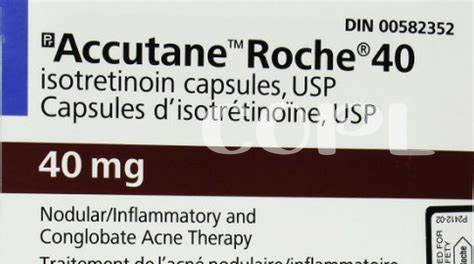
Treat your skin like a fragile manuscript; gentle, consistent hydration revives its pages. Use humectants (glycerin, hyaluronic acid) to draw moisture in, then lock it with creams rich in ceramides.
After cleansing, pat slightly damp skin and apply a lightweight, fragrance free moisturizer. Use SPF compatible lotion by day; at night opt for richer balms to repair the barrier effectively.
If you're on accutane, avoid alcohol-based toners and harsh exfoliants; instead, introduce active ingredients slowly under dermatologist guidance. Consistency and patience restore comfort and resilience without overloading sensitive skin further.
Sun Protection Rules You Must Never Ignore
Being on accutane makes skin far more vulnerable to UV damage. Sun exposure can cause severe burning, prolonged redness, and slower healing. Use a broad spectrum SPF 30 or higher every day, reapply every two hours or after swimming and heavy sweating, and limit sun during peak UV hours from 10 a m to 4 p m.
Choose mineral sunscreens with zinc oxide or titanium dioxide when possible because they irritate less. Apply generously to face, ears, neck, and hands, and protect lips with SPF lip balm. Wear UV protective sunglasses and clothing, avoid tanning beds entirely, and remember that makeup SPFs are supplementary not replacements for a sunscreen applied fifteen minutes before sun exposure.
Active Ingredients to Avoid While Skin Is Compromised
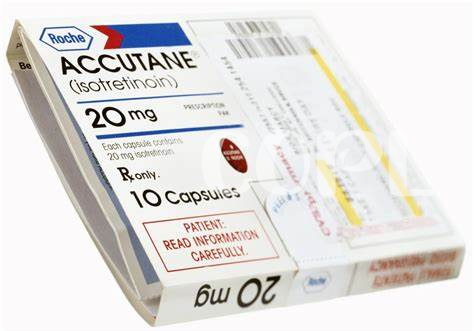
When your skin is on a healing journey with accutane, it becomes fragile and less able to tolerate harsh actives. Imagine your surface like thin rice paper — aggressive treatments can tear it.
Skip topical retinoids, strong chemical exfoliants (AHA/BHA) and high‑percentage benzoyl peroxide while dryness and flaking are present; each amplifies irritation and compromises the barrier. Even frequent vitamin C serums can sting. Patch testing first reduces surprises.
Avoid physical scrubs and alcohol‑heavy toners; they strip natural oils and delay recovery. Be cautious with waxing or laser treatments too, since treated skin scars more readily. Consult your provider before new treatments.
Stick to simplified, soothing formulas and reintroduce potent ingredients slowly under dermatologic guidance. This gentle approach speeds healing while protecting the progress you’ve achieved. Patience matters; avoid reintroducing more than one active at a time to monitor reactions.
Lip and Body Care Essentials for Extreme Dryness
My lips felt like desert sand after the first month on accutane; that jolting dryness taught me to prioritize thick balms and gentle habits. Apply an occlusive balm morning and night, avoid licking, and use a hydrating serum on chapped edges.
For body care, trade harsh soaps for cream cleansers and short lukewarm showers. Rich moisturizer with ceramides or hyaluronic acid should be patted in while skin is damp; reapply after washing and before bed to lock in moisture.
If cracking or bleeding occurs, add thin layers of petrolatum and consult your dermatologist—especially if pain or infection appears. Small routine tweaks and gentle protection transform raw skin back to comfortable resilience over a few weeks.
| Product | Purpose |
|---|---|
| Occlusive balm | Seals moisture and protects lips |
| Ceramide moisturizer | Restores skin barrier |
| Petrolatum | Treats cracks and prevents infection |
| Cream cleanser | Gentle cleansing without stripping |
When to See a Dermatologist and Adjust Routine
When your skin starts peeling to the point of cracking, developing painful sores, or you notice unexplained bruising or bleeding, contact your dermatologist immediately. These signs suggest the barrier is compromised beyond normal dryness and may need medical intervention.
Also call your provider if acne flares unexpectedly, you experience severe eye or lip inflammation, or if mood changes and persistent headaches occur. Your dermatologist can order blood tests, adjust isotretinoin dosing, or recommend prescription-topicals to reduce irritation.
Don’t hesitate to pause active ingredients at home and use gentle emollients until you get guidance; a personalized plan often prevents scarring and infection. If you notice fever, spreading redness, or severe bleeding, seek urgent medical attention promptly. MedlinePlus: Isotretinoin NHS: Isotretinoin