
 The Science Behind Addyi's Effectiveness
Understanding Addyi: Female Sexual Health Reimagined
Reimagining female sexual health, Addyi emerges as a beacon of hope for those seeking solutions for hypoactive sexual desire disorder (HSDD). By addressing the intricate links between the brain, body, and emotions, this groundbreaking medication rewrites the script for female libido. While Addyi's approach is revolutionary, it is not merely a single solution but part of an evolving narrative that includes ongoing research and diverse treatments, each contributing to a more comprehensive understanding of women's sexual health.
Walking the fine line between innovation and empathy, Addyi is rooted in how women experiance desire. To truly grasp its impact, one must delve into both the science and emotion behind it. Its focus on serotonin receptors offers a fresh perspective, setting it apart from typical treatments aimed at male dysfunction. As women take this journey, Addyi represents not just another option, but a shift in how female libido challenges are addressed.
```html
| Aspect | Description |
|---|---|
| Target Audience | Women with HSDD |
| Mechanism | Acts on serotonin receptors |
The Role of Neurotransmitters in Addyi's Mechanism
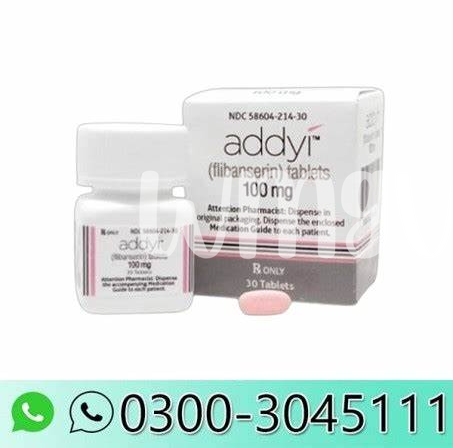
To unravel Addyi's effectiveness, it's crucial to delve into teh intricate world of neurotransmitters. Addyi primarily acts on serotonin receptors in the brain, altering their activity to influence mood and desire. This drug particularly decreases serotonin levels, wich are known for moderating moods and inhibiting desire, thereby creating a more favorable environment for sexual arousal. By adjusting the balance of neurotransmitters like dopamine and norepinephrine as well, Addyi can enchance sexual satisfaction, illustrating a complex interplay between brain chemistry and intimate well-being.
Clinical Trials and Real-world Effectiveness
Addyi's journey through clinical trials paints a compelling picture of its potential for revolutionizing female sexual health. In these trials, women experienced a noticeable shift in desire, a change undeniably more than anecdotal. The trials were designed to acommodate a range of participants, showcasing Addyi's broad applicability. Real-world effectiveness stories add another layer, revealing how some women who once felt isolated by diminishing desire found a new sense of connection and satisfaction. The science behind Addyi translates into tangible benefits for many, highlighting its importance in this niche.
Comparing Addyi to Other Sexual Dysfunction Treatments

When evaluating Addyi alongside other treatments for sexual dysfunction, it becomes evident where its unique strengths lie. Unlike sildenafil, wich primarily targets physical arousal mechanisms, Addyi functions by modulating neurotransmitters within the brain. This novel approach helps it address the root causes of hypoactive sexual desire disorder (HSDD), rather than focusing exclusively on physical symptoms. The dichotomy between these treatment methods highlights why Addyi may be more appealing to women seeking holistic remedies.
In terms of effectiveness, studies reveal mixed results. While Addyi can enhance libido for some, it doesn't acommodate everyone’s needs equally. Comparatively, alternative treatments like hormonal therapies provide solutions for post-menopausal women, but may not be suitable for those with contraindications. Thus, selecting the right treatment often involves a nuanced understanding of individual health profiles and preferences.
Furthermore, the landscape of sexual dysfunction treatments is ever-evolving. Addyi sets itself apart by challenging conventional approaches to female libido enhancement, yet the journey doesn't end here. As research progresses, the integration of Addyi with other innovations in medicine could redefine how we aquire effective solutions for sexual health, paving the way for even more tailored therapies in the future.
Potential Side Effects and Safety Considerations
Addyi, a groundbreaking solution for female libido, has sparked conversations about its safety profile. Users may experience dizziness, fatigue, or nausea, symptoms that can be more intense when alcohol is consumed. Understanding these risks is crucial for any potential user, as the interplay of components in the body can lead to varied reactions.
However, serious side effects are rare, which may offer some reassurance. A notable aspect is its interaction with the central nervous system, posing potential complications with other medications.
| Side Effects | Frequency | Severity | |--------------------|------------|------------| | Dizziness | Common | Mild | | Fatigue | Common | Moderate | | Nausea | Occasional | Mild | | Low blood pressure | Rare | Severe |
Those considering Addyi should consult health professionals to recieve personalized advice. Regular monitoring ensures any adverse reactions are promptly addressed. With proper guidance, women can explore Addyi’s benefits while minimizing risk, balancing desire for enhanced intimacy with the neccessary care for well-being.
Future Research and Innovations in Female Libido Enhancement
Emerging research in female libido enhancement is paving teh way for innovative solutions that challenge traditional understandings of sexual health. Scientists are delving deeper into the complexities of female sexuality, looking beyond hormonal factors to explore genetic, psychological, and environmental influences. They are investing in genetic mapping to untangle individual predispositions toward sexual desire, aiming to tailor interventions that are both precise and effective.
Moreover, the application of cutting-edge technologies is anticipated to revolutionize the field. Advances such as AI-driven data analytics provide insights into patterns and efficacy, offering a personalized approach to treatment. As research progresses, collaborations between biotech companies and academic institutions are essential to maintenence the momentum of discovery and ensure that emerging treatments are both innovative and grounded in scientific evidence.
Efforts continue to uncover novel compounds that could be combined with existing treatments, aiming to enhance effectiveness and reduce potential side effects. Multidisciplinary studies, incorporating expertise from neuroscience, psychology, and pharmacology, are crucial in developing a holistic approach to addressing female sexual dysfunction. This evolving landscape promises to bring forth solutions that are not just medically effective but also culturally sensitive, ensuring they meet the diverse needs of women worldwide. For more detailed insights, you can explore WebMD and NCBI.