
 Managing Arimidex Side Effects Safely
Spotting Common Side Effects and Knowing When to Act
I remember the weeks after starting treatment; small changes felt alarming. Learning to notice patterns—mood shifts, joint stiffness, or unusual bleeding—turned worry into useful data for discussions with my clinician.
Common side effects often include hot flashes, fatigue, and mild nausea. Keep a simple daily log of symptoms and their timing; patterns help so you identify triggers or dangerous trends.
Some signs require urgent care: sudden severe bone pain, chest discomfort, or symptoms suggesting a blood clot. Contact your provider immediately if these occur or if symptoms worsen.
Share your log and questions at visits; clear communication speeds safe adjustments.
| Symptom | Action |
|---|---|
| Joint pain | Light exercise; OTC meds |
| Shortness of breath | Seek emergency care now |
Protecting Bone Health: Prevention, Monitoring and Supplementation

Starting arimidex felt like stepping into new territory; I learned quickly that bone health deserves attention. Before or soon after beginning therapy, get a baseline DEXA scan and ensure adequate calcium and vitamin D. Daily weight-bearing exercise, fall-proofing the home, and smoking cessation are practical steps that protect bone strength.
Regular DEXA monitoring (every 1–2 years) guides treatment; discuss bisphosphonates or denosumab if bone loss appears. Talk openly with your clinician about supplements and interactions, balance alcohol intake, and maintain consistent exercise to reduce fracture risk and support long-term wellbeing.
Relieving Joint Pain: Practical Exercises, Meds, and Tips
I remember waking stiff after starting treatment, so I began gentle routines that made a real difference. Low-impact activities—walking, swimming and stationary cycling—reduce joint stress while preserving mobility, and short daily sessions of controlled range-of-motion and resistance exercises build supportive muscle. Warm-up, proper footwear and gradual progression prevent flares. Physical therapy or guided group classes can tailor moves to individual needs and address gait or posture that worsen pain effectively.
Over-the-counter options like acetaminophen and topical NSAIDs often ease discomfort; oral NSAIDs or short steroid courses are considered when needed, but discuss risks with your clinician, especially while on arimidex. Ice after flare-ups and heat before activity reduce symptoms; joint supports, weight management and ergonomic changes protect joints over time. If pain limits daily function or is progressive, request evaluation for imaging, referral to rheumatology, or medication adjustment and monitoring.
Managing Hot Flashes, Fatigue and Sleep Disturbances
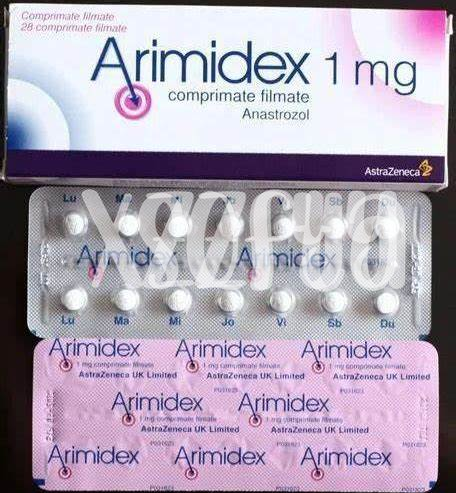
Night sweats and sudden heat startled me awake; using a fan, breathable sheets, layered clothing and cool showers often helps. People on arimidex can try paced breathing and avoid triggers.
Persistent fatigue feels heavy; break tasks into small steps, schedule regular short walks, and prioritize protein-rich snacks. Communicate energy patterns with your clinician to explore medication timing or supportive therapies.
Sleepless nights improve with routine: dim lights, fixed bedtime, limit screens and evening caffeine, and relaxation techniques. If insomnia persists, discuss melatonin or prescription options and keep a sleep diary.
Monitoring Heart Health, Cholesterol and Metabolic Risks
When starting arimidex, imagine tracking your body like a dashboard: blood pressure, weight, and fasting lipids become daily data points. Early checks catch rising cholesterol or glucose shifts before they become problems. Tell your clinician about family history, exercise patterns, and any new medications so tests target your real risks.
Routine labs — fasting lipid panels, glucose or A1c, and basic metabolic panels — should be scheduled every 3 to 6 months initially, then adjusted. Lifestyle interventions often lower small cholesterol increases: a Mediterranean diet, regular aerobic activity, and weight control matter.
If numbers climb despite changes, discuss statins, blood pressure agents, or referral to a cardiologist. Balance the benefits of aromatase inhibition with cardiovascular safety by documenting trends, asking about symptoms like chest pain or unusual fatigue, and keeping a shared plan for medication interactions and follow up with regular visits.
| Test | Suggested interval |
|---|---|
| Fasting lipid panel | Every 3–6 months initially |
| Glucose / A1c | Every 3–6 months |
Communicating with Providers about Dose Adjustments and Interactions
I walked into my oncologist’s office with a small notebook full of notes: dates of joint pain, hot flashes, and any missed doses, plus a list of all prescriptions, supplements and herbal remedies. That simple habit turns appointments into focused problem‑solving sessions. Ask clear questions about which symptoms warrant immediate attention, describe severity and timing, and request written plans for managing side effects so you both have the same roadmap.
Before any change, discuss potential interactions with other drugs, calcium and vitamin D doses, and over‑the‑counter pain relievers. Ask whether blood tests or bone density scans should be scheduled and how dose reductions or temporary pauses might affect treatment goals. If you experience sudden swelling, chest pain, severe weakness or unexpected bleeding, contact your team immediately and confirm who is responsible for urgent adjustments and documentation of changes.