
 Artvigil Vs Modafinil: Key Differences Explained
How Artvigil and Modafinil Differ Mechanistically
I once compared two wakefulness drugs over a long study day, noticing subtle differences in how the mind felt energized. Both boost alertness, but they do so through overlapping yet distinct pathways: one favors the R-enantiomeric actions while the other is a racemic mixture affecting dopamine, orexin, histamine and glutamate signalling.
At molecular level, the single-enantiomer formulation shows longer persistence and steadier receptor engagement, giving smoother endurance while the racemate can produce a quicker rise and variable duration. Neither is a classic stimulant; both act indirectly on dopamine transporters and modulate hypothalamic wake centres, which explains similar clinical effects despite pharmacokinetic divergence.
| Feature | |
|---|---|
| Main action | R-enantiomer persistence vs racemate kinetics |
| Onset/duration | Steadier longer tail vs faster peak |
| Targets | Dopamine transporter plus orexin histamine glutamate modulation |
| Clinical note | Dose adjustments may influence subjective effects noticeably |
Comparing Onset, Duration, and Cognitive Effects
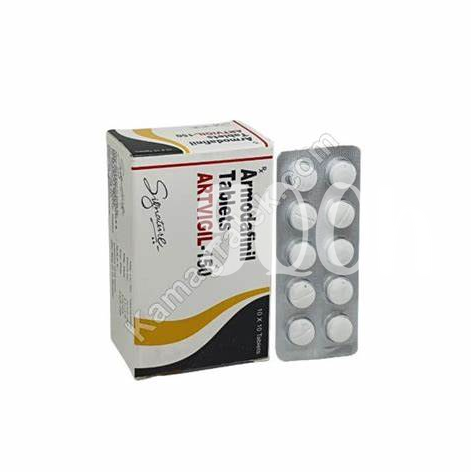
Morning doses can feel like flipping a switch: modafinil often begins working within 30–60 minutes, peaking a few hours later, while artvigil may have a slightly gentler ascent with similar peak timing but sometimes slower subjective onset. Both sustain wakefulness for roughly 10–15 hours, though individual metabolism and dosing determine the effective window.
Cognitively, users report sharper focus and improved decision speed with both drugs; modafinil sometimes yields a crisper alertness, while artvigil is described as smoother, less jittery. Memory consolidation, creativity, and complex task performance improve variably; expect subtle personal differences. Start with low doses to assess effects, and avoid late-day dosing to prevent sleep disruption. Seek medical advice for persistent or severe effects.
Side Effects, Safety Profiles, and Tolerability
Many users report mild headaches, nausea, or insomnia when trying wakefulness-promoting agents; artvigil is often described as slightly gentler by some, though responses vary widely across individuals. Onset and intensity depend on dose and metabolism.
More serious reactions—elevated blood pressure, psychiatric symptoms, or allergic rashes—are rarer but warrant prompt medical attention. Baseline assessment and periodic monitoring reduce risks, especially in people with heart conditions or mood disorders. Genetic factors and concurrent illnesses also influence outcomes.
Starting with a low dose, tracking effects, and avoiding alcohol or interacting medications helps tolerability. Discussing prior history and goals with a clinician ensures safer, personalized choices and faster adjustments if adverse reactions occur. Have an emergency plan for reactions.
Chemical Composition, Enantiomers, and Bioavailability Explained
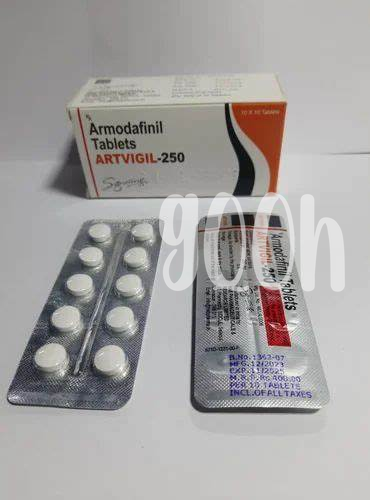
Behind the familiar effects of wakefulness drugs lies a small chemical twist: one is a racemic mixture and another a single enantiomer. Artvigil, for example, contains the R-enantiomer (armodafinil), which often gives a smoother, longer-lasting profile compared with racemic modafinil that mixes R- and S-forms. That subtle mirror-image difference changes how molecules fit receptors and transporters, shaping potency and subjective clarity.
Bioavailability and metabolism determine how fast and how long effects last: armodafinil’s higher lipophilicity and stereospecific clearance can produce steadier plasma levels and reduced morning grogginess. Liver enzymes, genetic factors, and concurrent medications alter blood concentrations, so two people taking identical doses may experience different intensity and duration. Clinically this informs dose timing and safety monitoring, helps explain why some users prefer armodafinil formulations for sustained focus while others opt for racemate options depending on response and side-effect sensitivity.
Cost, Availability, Legality, and Prescription Differences
Prices vary widely between generics and brand formulations; many choose artvigil for lower retail rates and online availability. Regional supply chains and pharmacy stocking influence what’s on shelves, so shoppers often compare unit prices and seller reputation before buying.
Quick comparison:
| Aspect | Typical |
|---|---|
| Price | Generic lower |
| Access | Online/retail |
| Prescription | Varies by country |
Regulatory status influences whether a clinician must authorize use; some countries treat these agents as controlled while others allow pharmacist sales. Discuss intentions with a medical professional, keep documentation when traveling, and monitor local rules. Review guidance.
Practical Selection Tips Based on User Needs
Think about your goals before choosing: prioritize wakefulness for shift work, mild daytime focus for studying, or long-term cognitive support. Start with the lowest effective dose, track effects, and avoid mixing with alcohol or sedatives.
Consider an individual tolerance trial: try one agent for a week, note onset, duration, and jitter. If benefits outweigh side effects, continue; if not, switch or consult a clinician about dosing regularly and sleep hygiene.
Medical history matters: cardiovascular conditions, pregnancy, liver problems, or psychiatric disorders can shift recommendation toward one option. Bring medication lists to appointments and ask about interactions, especially with hormonal contraceptives, anticoagulants, or CYP inhibitors commonly.
Budget and access influence choice: when prescriptions are restricted, discuss legal alternatives, generic formulations, or off-label options with a doctor. Prioritize safety over marketing; regular follow-up allows dose refinement, monitoring, and safe long-term use periodically. PubChem: Armodafinil PubMed: armodafinil