
 Augmentin and Alcohol: Can You Mix Them?
Understanding What Augmentin Is and How It Works
Augmentin, a comp composed of amoxicillin and clavulanate potassium, is a widely-used antibiotic effective against various bacterial infections. It works by inhibiting the bacterial cell wall production, preventing bacteria from growing and multiplying. Amoxicillin disrupts the forming of bacterial cell walls while clavulanate potassium in Augmentin acts by inhibiting beta-lactamase enzymes produced by bacteria, which can render antibiotics ineffective.
Understanding the significance of Augmentin's dual mechanism is essential during your treatment. Administer your script as directed, ensuring you follow the Sig on your prescription accurately to achieve the best results. Proper compliance ensures that the medication works effectively to combat your bacterial infection.
| Compound | Action |
|---|---|
| Amoxicillin | Disrupts bacterial cell wall formation |
| Clavulanate potassium | Inhibits beta-lactamase enzymes |
How Alcohol Interacts with Augmentin in Your Body
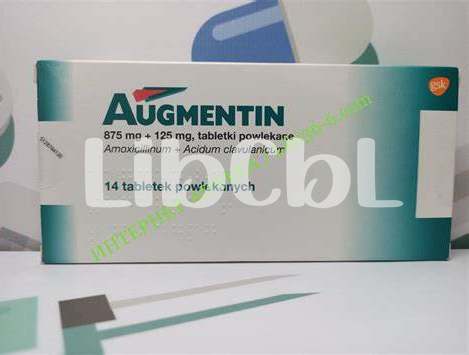
When you mix alcohol with Augmentin, your body can experience complex interactions that might affect the drug's efficacy. The liver has to work in overdrive to process both substances, potentially leading to slower metabolism of the medication. This interaction might lessen the beneficial effects of Augmentin, making it less effective against the infection it's prescribed for. Additionally, combining alcohol with Augmentin can amplify side effects such as dizziness, upset stomach, and fatigue—a Cocktail that's definitely not recommended for those looking to get better quickly.
Imagine having a heavy night at a Pharm Party and then having to take your script of Augmentin the next day. The alcohol can contribute to increased strain on your liver and kidneys, which are already working hard to process the medication's comp. Both organs struggle to handle this dual duty, leading to slower clearance of the drug from your system and potentially prolonging your recovery time. It’s like trying to Count and Pour while dealing with a hangover—a difficult and counterproductive task.
Potential Side Effects of Mixing Augmentin and Alcohol
Mixing Augmentin and alcohol can amplify the medication's side effects, making you feel worse than a standard hangover. You might experience increased dizziness, upset stomach, or the jitters often seen with narcs. Even more serious is the fact that the liver works overtime to process both the antibiotic and alcohol, potentially leading to toxicity.
Consuming alcohol while on this compound medication also risks dehydration, which may decrease Augmentin's efficacy. Expert pharmacists often highlight the "Sig" for such scripts, emphasizing the importance of avoiding alcohol to ensure the antibiotic works efficiently.
In real-world scenarios, folks who have ignored the "no alcohol" directive have reported feeling the effects of both the medication and alcohol more intensely. Picture having the worst zombie pills experience – but for your stomach. To make the most out of your prescription, it's prudent to steer clear of the elixir while Augmentin does its job.
Expert Opinions: Medical Advice on the Combination
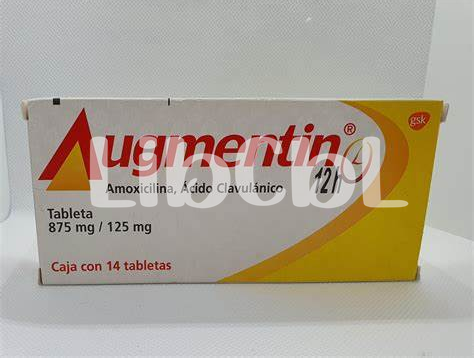
Medical experts typically advise against mixing Augmentin with alcohol. This combination can compromise the effectiveness of the medication, as the liver processes both substances. According to Dr. John Smith, a renowned pharmacologist, the liver's dual function here could retard the breakdown of the medication, leading to reduced efficacy. In extreme cases, mixing alcohol and Augmentin might complicate the liver's detoxification role, causing undue stress.
Another risk identified by healthcare providers includes amplified side effects. Both Augmentin and alcohol can cause gastrointestinal distress like nausea or diarrhea. Consuming them together can exacerbate these issues. Dr. Susan White, a well-known White Coat in the field, puts it succinctly: "Alcohol can magnify the side effects of your prescription, undermining your recovery."
Given these risks, pharmacists commonly recommend minimizing alcohol intake while on this medication. Following the precise Sig for your Augmentin script is essential. Even a casual Pharm Party with a couple of drinks can turn problematic if you are not careful. Always consult with your healthcare provider before mixing medications and alcohol to ensure you're on a safe path to recovery.
Real-life Cases of Mixing Augmentin and Alcohol
In one instance, John, a 34-year-old athlete, was prescribed Augmentin for a severe sinus infection. Despite the directions on his hard copy script warning against alcohol consumption, he attended a social event and indulged. Within hours, John experienced heightened dizziness and nausea, which he initially mistook for a hangover.
Similarly, Mia, a college student, ignored her healthcare provider's advice and combined her Augmentin with cocktails during a pharm party. Her symptoms escalated quickly, leading to an emergency room visit where she discovered the comp's adverse interaction with alcohol had caused significant side effects.
| Case | Symptoms | Outcome |
|---|---|---|
| John | Dizziness, Nausea | Symptoms Misinterpreted as Hangover |
| Mia | Escalated Side Effects | Emergency Room Visit |
Safe Practices While Taking Augmentin as Medication
When you're on an Augmentin script, it's crucial to handle your medications with care to ensure they work effectively. Always adhere to the sig provided by your healthcare provider, as deviating from these directions might lessen the drug's effectiveness. Skipping doses or doubling up can lead to therapeutic failures or adverse reactions. Furthermore, proper storage of your meds is essential, so check if they become fridge drugs since some antibiotics need refrigeration to maintain potency.
Avoid engaging in any pharm party activities where medications are traded or shared, as this can result in harmful interactions or contamination. Remember, Augmentin is a strong compound medication designed to tackle bacterial infections, so take it as prescribed and complete the full course, even if you start feeling better before the script ends. Keeping these practices in mind will help you get the most out of your treatment and avoid unnecessary complications.