
 Cellcept Interaction Guide: Foods and Medications to Avoid
Foods That Raise Cellcept Side Effect Risks
When I started my transplant journey, I learned quickly that what I eat can change how well my medication works. High‑potassium foods, grapefruit and Seville oranges, and bitter herbal teas can alter absorption or raise side effect risks. Fatty meals may affect how much of the drug reaches circulation, while raw or undercooked foods increase infection risk when immunity is lowered. Also avoid unpasteurized dairy and deli meats that harbor bacteria.
Talk with your transplant team about tailoring meal choices and consider spacing meals around doses to reduce stomach upset. Simple swaps, like steamed vegetables, well‑cooked proteins, and avoiding grapefruit juice, help protect drug effectiveness while keeping nutrition strong. If nausea, fever, or unexpected bruising occur, also contact your provider promptly. Carry a concise food-and-med list to appointments and ask about specific local foods or supplements to avoid right away.
| Food | Why to avoid |
|---|---|
| Grapefruit juice | Alters medication absorption |
| High‑potassium items (bananas, potatoes) | May worsen electrolyte-related effects |
| Unpasteurized dairy/deli meats | Higher infection risk when immunosuppressed |
Medications That Intensify Mycophenolate's Dangerous Interactions
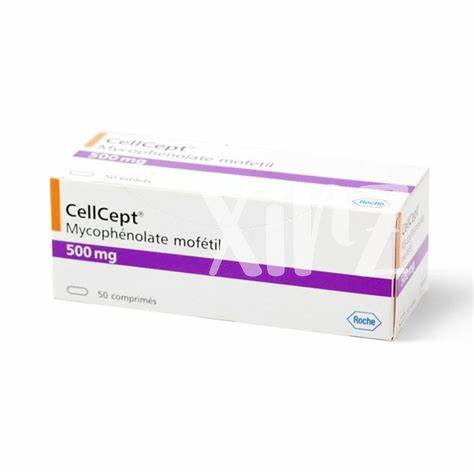
She added a new pill without thinking, but combining it with cellcept can amplify harm. Antibiotics, antivirals, and other immunosuppressants may increase bone marrow suppression or infection risk.
Drugs that alter gut absorption, like antacids, bile acid binders or broad spectrum antibiotics, can change cellcept levels and cause unpredictable effects. Antivirals such as ganciclovir add marrow toxicity.
Always check with your transplant team or pharmacist before starting any new medicine so dosing and monitoring can be adjusted. Early labs and quick symptom reporting help prevent small interactions from becoming emergencies.
Herbal Supplements and over the Counter Products to Avoid
Once a patient assumed 'natural' meant safe and added an herbal blend while on cellcept; within weeks she had worse fatigue and bruising. Herbs like St. John's wort can change drug metabolism, and others that affect bleeding or immune activity may amplify mycophenolate's risks.
Over-the-counter antacids, iron supplements, and bile acid binders can reduce absorption of mycophenolate; NSAIDs and products that thin blood may worsen gastrointestinal or bleeding risks. Even probiotics or echinacea, promoted for immunity, can unpredictably interact.
Always list all supplements and OTCs when talking with your transplant team or pharmacist. They can suggest safer alternatives or timing strategies to minimize interaction and protect treatment effectiveness, and monitor labs regularly for any changes.
Timing and Food Pairing Tips for Safer Dosing

Imagine dosing like a rhythm in your day: take cellcept at the same times each day to keep levels steady. If nausea is an issue, pair doses with a light, bland snack rather than a heavy meal. Never double up after a missed dose—contact your provider instead.
Think of antacids, iron and calcium as gatecrashers—give at least two hours before or after dosing. Use a pill organizer and keep clinicians informed about cellcept and supplements. Report fever, unexplained bruising, or signs of infection promptly to your care team for guidance.
Signs of Dangerous Interactions When to Seek Help
A sudden fever, sore throat, or easy bruising may mean dangerous immune suppression; persistent high fever, severe diarrhea, vomiting, or black or bloody stools can indicate serious infection or gastrointestinal bleeding.
New yellowing of skin or eyes, dark urine, severe abdominal pain, confusion, or fainting suggest liver injury or metabolic derangement. Intense rash, swelling of the face or throat, and difficulty breathing require immediate emergency care. If you take cellcept and notice these signs, stop medication only under clinician guidance or seek urgent help.
Contact your transplant team or prescriber immediately for sudden infection signs, uncontrolled bleeding, or altered mental status; call emergency services for airway compromise, severe shock, or seizure. Below is a quick reference.
| Symptom | Action |
|---|---|
| High fever or bloody stool | Contact provider now |
| Difficulty breathing or swelling | Call 911 |
Practical Strategies to Discuss Interactions with Providers
Begin appointments with a brief narrative: when treatment started, which symptoms appeared, and a clear list of prescriptions, OTC drugs, herbal products, and dietary habits. Mention travel, vaccinations, and pregnancy plans.
Ask targeted questions: Which combinations increase infection or bleeding risk? Can any medicine be paused or dose adjusted? Are blood levels or extra labs needed? Request written instructions for any changes.
Bring a written medication list and photos of labels; use patient portals to share updates between visits. Request plain-language explanations and confirm next steps. Ask about a single contact.
If worried about a new sign, seek urgent advice and ask for clear thresholds that would prompt immediate care. MedlinePlus: Mycophenolate Mayo Clinic: Mycophenolate