
 Hydroxychloroquine Controversy during Covid-19 Explained
Early Hype: Lab Findings and Political Endorsements
A small, striking lab finding showed antiviral activity in cultured cells, sparking early excitement and cautious scientific curiosity among researchers worldwide promptly.
Media coverage amplified laboratory signals, then political endorsements projected hope, sometimes equating preliminary data with definitive clinical success before trials matured nationwide.
Experts and journal editors warned in op-eds and statements that in vitro efficacy rarely translates to patient benefit; rigorous randomized trials remained necessary.
Yet political pressure, compassionate use requests, and urgent clinical demand increasingly pushed clinicians and regulators into fraught decisions amid limited early human evidence.
| Stage | Driver |
|---|---|
| Lab | In vitro result |
Clinical Trials: Mixed Results and Methodological Flaws
Early small trials hinted at benefit, often with weak designs and no control groups. Published preprints amplified uncertainty.
Larger randomized trials later showed no mortality benefit and sometimes harm, creating contradictory headlines. Meta-analyses attempted synthesis but mixed quality limited conclusions.
Many reports were underpowered, used heterogeneous endpoints, or relied on observational data prone to confounding. Some influential studies were retracted, further eroding confidence.
The hydroxychloroquine saga underscores the need for rigorous methods, transparent data sharing, and independent replication before changing clinical practice. Policy shifts lagged behind evidence, complicating public messaging.
Safety Concerns: Cardiac Risks and Drug Interactions
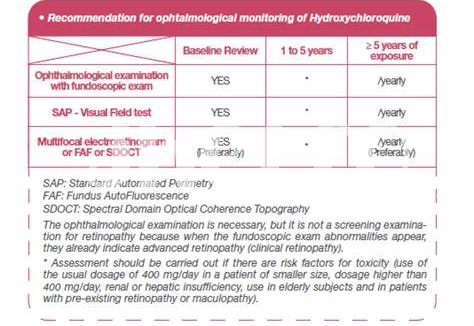
Early adopters hoped hydroxychloroquine would be a simple fix, but bedside stories quickly flagged dangers: irregular heartbeats, prolonged QT intervals, and sudden arrhythmias appeared in vulnerable patients. Clinicians noticed risks amplified when combined with other QT‑prolonging drugs, turning hopeful anecdotes into cautionary tales.
Safety reviews urged ECG monitoring, electrolyte correction, and avoidance of hazardous combinations—especially azithromycin and certain antivirals—while regulatory agencies warned against routine outpatient use without oversight. These sobering findings shifted practice from experimental zeal to measured restraint, emphasizing patient screening and rigorous study before widespread prescriptions and follow-up.
Media Storm: Misinformation, Social Networks, and Virality
At the pandemic's start, tantalizing laboratory results became a headline shortcut: a handful of small studies and a few vivid anecdotes were amplified across platforms, turning preliminary hydroxychloroquine data into perceived proof.
Echo chambers and partisan sharing magnified claims while nuanced scientific caveats were lost between viral videos, memes, and celebrity endorsements; fact-checkers raced to correct falsehoods but the velocity of sharing outpaced corrections.
The result was public confusion and policy pressure that sometimes forced premature decisions; the episode showed how social networks can weaponize hope and how communication strategy matters as much as evidence in crises. Rebuilding trust requires transparent data, stronger media literacy, and clear, consistent messages from health authorities worldwide urgently now.
Regulatory Response: Emergency Use Authorizations and Withdrawals
Early in the pandemic, regulators faced frantic demand for treatments and issued emergency authorizations for drugs like hydroxychloroquine amid sparse and preliminary data. That rapid response was framed as urgent reassurance, but it also reflected political pressure, limited evidence, and the tension between speed and scientific caution.
As randomized trials accumulated, inconsistent results and methodological flaws emerged. Regulators monitored data and some issued safety alerts, then retracted authorizations when benefits failed to materialize and cardiac risks became apparent. Withdrawals underscored reliance on robust, peer reviewed evidence rather than anecdote or political advocacy.
The episode prompted regulators to refine emergency frameworks, demand transparent datasets, and coordinate globally. It highlighted communication failures: clear criteria for authorization, real time data sharing, and post authorization surveillance can preserve public trust while allowing rapid responses in future crises without bypassing rigorous randomized trials or politicization.
| Action | Outcome |
|---|---|
| EUA issuance | Rapid access, limited evidence |
| Safety alerts | Monitoring and restrictions |
| Withdrawals | Revoked authorizations, restored caution |
Lessons Learned: Science, Trust, and Future Pandemic Preparedness
The hydroxychloroquine episode taught scientists and the public how fast preliminary lab results can be misread as clinical promises, sweeping from bench to headlines and into policy debates.
Rigorous trials later revealed inconsistent benefits and highlighted methodological pitfalls, reminding researchers that controlled design and transparent data sharing are vital for credible conclusions and faster coordination across centers.
Trust suffered as mixed messages, partisan rhetoric, and amplified anecdotes confused clinicians and the public; rebuilding confidence demands consistent communication, independent oversight, and humility from experts at every level.
Looking forward, preparedness must combine rapid, well‑designed trials, robust pharmacovigilance, and public education so future outbreaks see faster, safer therapeutic answers. Policymakers must fund infrastructure and prioritise global collaboration.
NIH: Hydroxychloroquine guidance WHO: Statement on hydroxychloroquine