
 Keflex for Dental Infections: Is It Effective?
What Is Keflex and How Does It Work?
Developed in the 1960s, Keflex—known generically as cephalexin—is a cephalosporin antibiotic that’s trusted by doctors for treating a wide range of bacterial infections. Its secret lies in disrupting the bacteria’s cell walls, causing the microbes to break apart and eventually die. This means Keflex targets the root of infection rather than just relieving symptoms.
Patients often find Keflex convenient because it’s taken as a pill or liquid, typically requiring only a few doses each day. Its rapid absorption into the bloodstream makes it quick to act, which is especially helpful for painful dental infections.
| Form | How It Works | Common Brand Name |
|---|---|---|
| Capsule/Liquid | Destroys bacterial cell walls | Keflex |
Typical Dental Infections That May Need Antibiotics

Dental abscesses, severe gum infections, and infections following tooth extractions often call for antibiotic intervention when they spread or fail to improve with standard care. Painful swelling and persistent fever may signal deeper infection, making it essential for dentists to select the right treatment.
Keflex, a first-generation cephalosporin, is sometimes chosen due to its effectiveness against certain bacteria commonly linked to oral infections. Its ability to disrupt bacterial cell walls can help resolve stubborn cases resistant to other measures.
However, antibiotics like keflex are reserved for situations where infections pose risks that cannot be managed by draining or cleaning alone. Misuse can lead to resistance, so careful diagnosis is critical before starting medication.
How Keflex Compares to Other Antibiotics
While penicillin and amoxicillin often take the spotlight in treating dental infections, keflex offers a valuable alternative for those with certain allergies or resistant bacteria. Keflex is a cephalosporin antibiotic, working differently from the penicillin class by targeting bacterial cell wall synthesis in a unique way. This distinction can be especially helpful if first-line antibiotics are unsuitable due to allergy or treatment failure.
However, it’s important to note that not all oral bacteria are equally sensitive to keflex. Some dental infections may respond better to other antibiotics, like clindamycin or metronidazole, especially in complex or severe cases. Always consult your dentist for tailored advice.
Common Side Effects and Precautions with Keflex
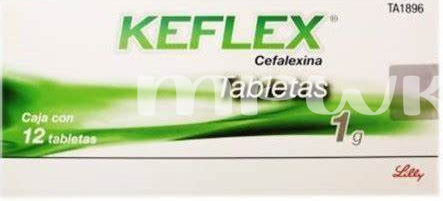
For many, starting a course of Keflex brings rapid relief from dental pain, but it’s important to know what to expect along the way. While Keflex is generally well-tolerated, some people experience mild side effects like stomach upset, diarrhea, or nausea. Less commonly, allergic reactions such as rash, itching, or swelling can occur. Recognizing these symptoms early helps prevent more serious issues and ensures the antibiotic works safely.
Those with a known allergy to cephalosporins or penicillins should avoid Keflex, as cross-reactions are possible. It’s wise to inform your dentist if you have kidney problems or are pregnant, since adjustments may be needed. With any antibiotic, completing the prescribed course is crucial—even if symptoms improve—to prevent resistance and promote healing. Always follow your healthcare provider’s advice for the best results.
Scientific Evidence Behind Keflex for Dental Use
Recent studies highlight that Keflex, a cephalosporin antibiotic, shows broad-spectrum activity against bacteria frequently responsible for dental infections. Its effectiveness stems from its ability to inhibit bacterial cell wall synthesis, leading to bacterial death.
Researchers have observed that Keflex is especially useful when standard antibiotics like penicillin cannot be used, or when oral pathogens display resistance. However, clinical guidelines often favor other antibiotics as first-line agents, reserving Keflex for specific cases.
| Antibiotic | Effective for Dental Infections? | Common Use Case |
|---|---|---|
| Keflex | Yes, in select patients | Penicillin allergy, resistant bacteria |
| Penicillin | Yes | First-line treatment |
When to Seek Alternative Treatments for Infections
While Keflex can be effective, it’s not always the best choice for every dental infection. Severe or rapidly spreading infections, allergies to cephalosporins, or resistance patterns may require a different antibiotic or even surgical intervention. If symptoms persist beyond a few days, worsen, or are accompanied by swelling that threatens to block your airway, immediate dental or medical evaluation is essential.
Additionally, patients with a history of kidney disease or certain drug interactions may need alternatives. Dentists base their decisions on individual patient factors and the specific bacteria suspected, sometimes opting for drugs like amoxicillin or clindamycin instead. Always consult your provider before switching medications. NCBI: Cephalexin in Odontogenic Infections, PDR: Keflex (Cephalexin) Drug Summary