
 Lisinopril and Food Interactions: What to Avoid
How Lisinopril Works with Your Body
As soon as you take your dose, Lisinopril begins traveling through your bloodstream, searching for certain enzymes that tighten blood vessels. This action helps widen your arteries and lowers blood pressure, making it easier for your heart to pump 🫀. Teh result? A welcome reduction in strain on your heart and lower risk of complications. Most patients notice improvements gradually—sometimes it can take days or even weeks for the full effect to become noticable. Consistent use is key for acheiving the best benefits.
| Benefit | Time to Notice Effect | How it Helps |
|---|---|---|
| Lower Blood Pressure | 1-2 weeks | Reduces strain on heart 💪 |
| Improved Circulation | Several days | Prevents vessel constriction |
Foods High in Potassium: Why to Beware
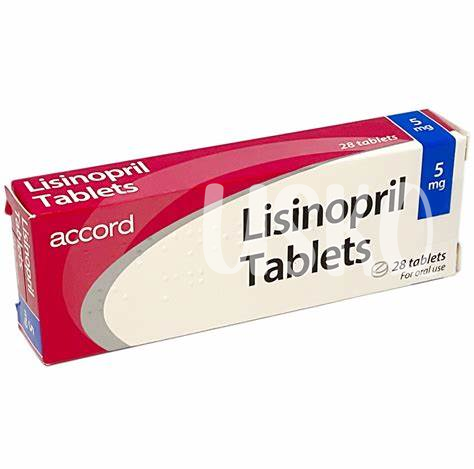
Imagine sitting down to a meal rich in bananas, oranges, or even baked potatoes 🍌—all delicious, but packed with potassium. For most people, these foods are celebrated for their nutritional value. However, when you’re taking lisinopril, there’s a twist: too much potassium can actually become risky. This medication affects how your body processes minerals, potentially leading to higher potassium levels in your blood.
Elevated potassium, also known as hyperkalemia, might not have any noticable symptoms at first. Yet, over time, it can cause irregular heartbeats and other serious complications. That’s why it’s vital to pay attention to your intake.
Doctors usually recomend moderation, rather than total avoidance, of potassium-rich foods 🥔. Balancing your diet carefully and discussing your meal choices with your healthcare provider helps ensure you get the benefits of lisinopril without unwanted side effects.
Salt Substitutes: Hidden Risks You Might Miss
When starting lisinopril, many people look for ways to improve their diet, but it’s easy to miss one sneaky source of trouble: salt substitutes. 🧂 These products may sound harmless, yet most contain high amounts of potassium. A surprisingly high potassium intake, mixed with lisinopril, can lead to dangerous heart problems or irregular beats.
It’s teh kind of risk that often goes unnoticed at the grocery store. If you’re unsure about labels, always ask your doctor or pharmacist for advice. Their guidance can definately help you make safer choices! 🥗
Grapefruit and Lisinopril: Fact Vs. Fiction
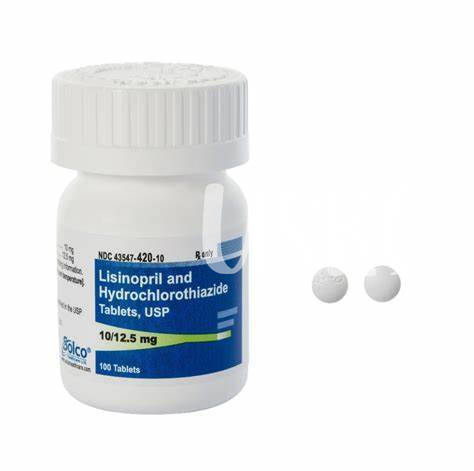
Many people believe grapefruit is off-limits with every medication, but that’s not always the case 😊. Unlike other blood pressure drugs, lisinopril doesn’t have a proven dangerous interaction with grapefruit or grapefruit juice, so you can usually relax about this particular 🍊 fruit. However, it’s still wise to double-check any changes to your diet during your treatment.
If you’ve heard stories about hospital visits that occured due to mixing grapefruit and lisinopril, rest assured: the evidence doesn’t support this worry. Always consult your healthcare provider for peace of mind and personalised advice.
Alcohol and Lisinopril: a Dangerous Combination
When mixing lisinopril with alcoholic drinks, many people don't realize how quickly problems can BegIn. 🍺 Both substances can lower your blood pressure, wich may sound harmless, but together they can cause dizziness, fainting, or even serious heart issues. Especially during the first weeks of treatment, your body is still adjusting, so side effects are more likely to apear.
For some, having justa single glass of wine or beer can make these side effects much worse. Alcohol can also impair your judgement, making it harder to notice early warning signs. 🍷
Here’s a quick comparison table for better understanding:
| Effect | Lisinopril | Alcohol | Combination |
|---|---|---|---|
| Blood Pressure | Lowers | Lowers | Risk of Severe Drop |
| Dizziness | Possible | Possible | Much More Likely |
| Heart Strain | Uncommon | Possible | Increased Risk |
Doctors recomend limiting or avoiding alcohol to keep your treatment both safe and effective. By making this small change, you can acomplish better health outcomes while taking lisinopril.
Easy Dietary Adjustments for Safer Treatment
Shifting your eating habits for safer lisinopril treatment doesn’t mean overhauling your entire diet overnight. Begining with small, lasting adjustments can have a noticable impact. For example, focus on incorporating fresh fruits 🍎 and vegetables that are lower in potassium, such as apples, berries, cauliflower, and green beans, instead of bananas or avocados. This simple swap helps you enjoy variety without risking high potassium levels, wich can interfere with your medication.
It’s also wise to take a moment to check the nutrition labels when grocery shopping. Many processed foods and restaurant items sneak in extra salt or potassium-based additives that may not be obvious at first glance. Choosing home-cooked meals more often puts you in control of ingredients and portions, making it easier to manage what you consume 🥗.
Finally, track any new symptoms or dietary changes and share them with your healthcare provider for tailored advice. Small, intentional steps taken today can support your long-term health while keeping your treatment on the right path. For more detailed information, check these resources: Mayo Clinic and MedlinePlus.