
 Managing Nolvadex Side Effects: Practical Tips
Understanding Common Nolvadex Side Effects Early
Emma, a first-time tamoxifen user, felt blindsided when hot flashes struck during a morning meeting. That jolt pushed her to research early, revealing that knowing the drug’s typical reactions can transform surprise into preparation, and preparation into smoother, more confident treatment adherence for many patients.
The most reported issues cluster into three major categories: vasomotor, gastrointestinal, and emotional shifts.
| Category | Typical Onset | Common Severity |
|---|---|---|
| Vasomotor | week 1-2 | Moderate |
| Gastrointestinal | days 3-7 | Mild |
| Emotional | weeks 2-4 | Variable |
If side effects appear earlier, intensify suddenly, or linger beyond the charted window, contact your healthcare team. Early conversations allow dose adjustments, supplemental therapies, or simple reassurance, sparing you from anxiety and keeping the cancer-fighting plan on course every day.
Optimizing Dosage Timing to Reduce Discomfort
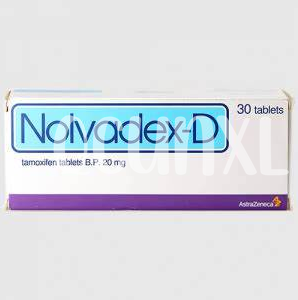
Imagine starting your day with fewer hot flashes and less nausea simply by shifting when you swallow your nolvadex tablet. Many users discover that taking the drug after a protein-rich breakfast, rather than on an empty stomach, cushions the initial hormonal surge and allows the digestive system to process it more gently.
Evening dosing can help others who struggle with daytime drowsiness; the medication’s peak action then coincides with sleep, letting side effects play out unnoticed. Keep intervals consistent—every 24 hours—to maintain steady serum levels and avoid roller-coaster estrogen rebounds. Set a phone alarm or pair the pill with a nightly routine you never skip.
Smart Nutrition Strategies for Hormonal Balance Support
Imagine your plate as a tiny laboratory, mixing nutrients that steady estrogen levels while nolvadex does its job. Start with colorful cruciferous vegetables—broccoli, kale, Brussels sprouts—rich in indole-3-carbinol that helps the liver process excess hormones. Add omega-3 packed salmon for anti-inflammatory support.
Pair protein with carbs such as quinoa or sweet potato to prevent insulin spikes that can stir hormonal swings. Hydration matters too; green tea and water aid detox pathways, while limiting alcohol and sugar preserves endocrine equilibrium overall.
Exercise and Lifestyle Tweaks to Combat Fatigue
Persistent sluggishness can feel like an anchor during therapy, yet strategic movement often becomes the very lever that lifts it. Begin each morning with a five-minute dynamic warm-up—arm circles, hip hinges, gentle squats—to signal your nervous system that the day has started. Gradually build toward 30 minutes of moderate cardio, such as brisk walking or cycling, five days a week. Research shows rhythmic, oxygenating exercise improves mitochondrial efficiency and counters endocrine-related lethargy without aggravating hormone fluctuations.
Balance exertion with recovery rituals. Hydrate before and after workouts, then refuel with protein and complex carbs within thirty minutes to steady glucose dips that magnify fatigue. Prioritize sleep hygiene: dim lights an hour before bed, limit screens, and keep the room cool. If nolvadex-induced night sweats interrupt rest, layer breathable moisture-wicking fabrics instead.
Mental Health Check-ins and Mood Stabilization Tactics
Even the most disciplined athlete can feel blindsided when mood swings appear mid-cycle. Tracking feelings daily turns vague unease into data you can actually use.
Pair that journal with a check-in buddy—preferably someone who understands nolvadex therapy. Honest conversations strip stigma and highlight patterns before irritability mutates into serious depression.
| Symptom | Quick Stabilizer |
|---|---|
| Anxiety spike | Box breathing, 4-minute walk |
| Low motivation | Upbeat playlist, sunlight break |
If those interventions fall short, loop in a professional early. Temporary use of cognitive-behavioral therapy, light boxes, or micronutrient testing can recalibrate neurotransmitters while you continue the course. Remember: safeguarding mindstate ensures nolvadex can perform its primary protective role fully.
When to Seek Medical Advice Without Delay
You know your body’s usual rhythm; sudden departures demand attention. Unrelenting leg cramps, vision changes, or crushing headaches warrant immediacy.
Similarly, shortness beyond typical exertion, chest tightness, or calf swelling aren’t mere inconveniences. These signs can signal dangerous clots forming.
If mood plummets suddenly or you experience suicidal thoughts, don’t wait for your next appointment; professional help becomes critical immediately.
Keep emergency contacts visible, share symptom logs promptly, and consult credible literature via source and guide for assurance.