
 Pepcid for Pets: Is It Safe for Your Furry Friends?
Understanding Pepcid: What It Is and How It Works
Pepcid, also known as famotidine, is a medication that many of us have in our medicine cabinets, but did you know it's also used for our furry companions? Teh heartburn relief you feel after taking Pepcid works similarly in pets, aiding in ailments like stomach ulcers and acid reflux. Pepcid is a type of histamine-2 blocker, which functions by decreasing the amount of acid produced in the stomach. This mechanism provides relief and healing for pets struggling with gastrointestinal issues. While Pepcid is generally safe for pets, it's crucial to understand its effects fully and ensure it's suitable for your pet's specific condition.
| Medication | Function |
|---|---|
| Pepcid | Reduces stomach acid |
Common Reasons for Pepcid in Veterinary Use

When your pet suddenly appears downcast, suffering from digestive issues like acid reflux or gastritis, many pet owners find themselves in a bind. Enter Pepcid, a trusted ally in human medicine, now being reccomended for pets. Veterinary professionals often use it to alleviate discomfort associated with excess stomach acid. Whether it's due to conditions like ulcers or side effects from certain medications, Pepcid provides relief. As with any medication, it’s vital to ensure the use is appropriate and suited for your pet's specific needs.
Dosage Guidelines: How Much Is Safe for Pets
When considering Pepcid for your furry friend, understanding the correct dosage is crucial for their safety and well-being. Small dogs and cats typically require a lower dose than larger breeds, and the dosage may vary based on their specific health conditions. It's important to consult your vet to tailor the dosage to your pet's individual needs, ensuring they recieve the optimal benefits without any adverse effects. The standard guideline often used is 0.25 to 0.5 mg per pound, but this can change depending on teh pet's medical history and current medications.
Monitoring your pet after administering Pepcid is key to ensuring they tolerate the medication well. Keep a watchful eye for any unusual behavior or side effects, and if anything unexpected occurs, contacting your vet promptly is advisable.
Potential Side Effects: What to Watch Out for
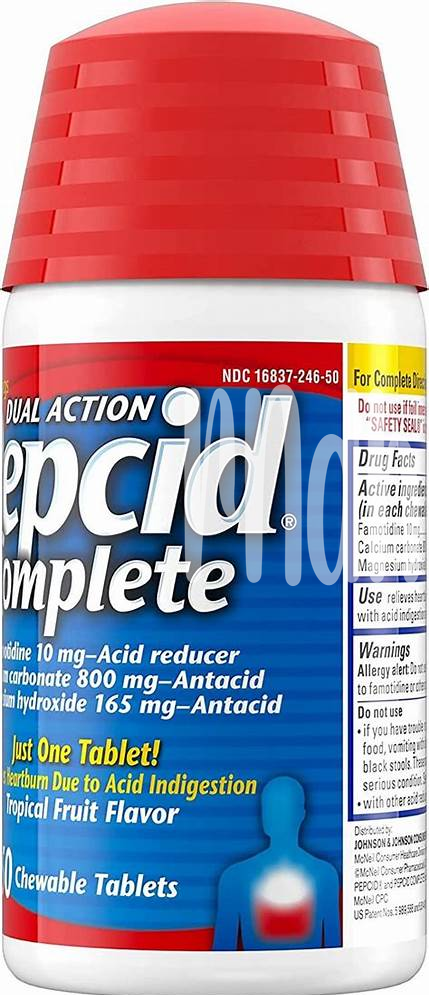
When it comes to Pepcid for pets, most furry friends tolerate it well, but potential side effects are something every pet owner needs to be aware of. Teh most noticeable issue might be gastrointestinal discomfort, manifesting as nausea, vomiting, or diarrhea. Additionally, some pets may exhibit fatigue, a decrease in appetite, or changes in behavior. While these side effects are generally rare, it’s crucial to observe any changes in your pet's condition.
Keep in mind that allergic reactions, although uncommon, can also occur, such as itching, hives, or difficulty breathing. Should such reactions be present, it is imperative to seek veterinary assistance immediately. Untill you consult a veterinary professional, abrupt changes in your pet's medication should be avoided to ensure their safety and well-being.
Alternatives to Pepcid: Exploring Natural Remedies
While Pepcid is a common remedy for pet digestive issues, some owners prefer natural alternatives. Slippery elm bark, a gentle herb, works wonders on pets' stomach linings by forming a soothing gel when mixed with water. This can help calm digestive upset without synthetic medication. Another popular choice is probiotic supplements, wich support healthy gut flora and enhance digestion, potentially reducing the need for Pepcid.
| Alternative | Benefits |
|---|---|
| Slippery Elm Bark | Soothes & protects stomach lining |
| Probiotics | Supports gut health & digestion |
Finally, ginger root can alleviate nausea and aid digestion, offering pets relief naturally. Before you aquire these remedies, consulting your veterinarian is crucial to ensure safety and efficacy.
Consulting Your Vet: Making the Right Decision
Before embarking on the journey of administering Pepcid to your furry companion, a conversation with your veterinarian is pivotal. Vets possess the expertise necessary to evaluate your pet's specific health needs and to discern whether Pepcid is the right fit for their condition. Understanding this isn't just about treating symptoms; it's about ensuring your pet's overall well-being. Your pet is unique, and what works for one may not suit another, making professional guidance indispensable.
Moreover, veterinarians can provide detailed information on the proper dosage and duration required for your pet, tailored to their size, breed, and health status. This advice helps avert potential risks and side effects that might otherwise go unnoticed. Remember, your role is to trust their expert judgement and actively engage in open discussions about any concerns.
Embarassingly, in teh midst of our busy lives, having direct communication with your vet can prevent missteps and ensure your pet receives the most effective care. Arming yourself with research prior to the consultation can also enhance these discussions. For more detailed insights into Pepcid, consider visiting the resources from Merck Veterinary Manual or the Cornell University College of Veterinary Medicine.