
 Prednisone Tapering: How to Safely Reduce Dosage
Understanding the Need for Prednisone Tapering
Understanding the need to taper off prednisone is essential for avoiding potential complications. Prednisone, a cornerstone Rx for many conditions, can cause side effects if stopped abruptly. This is where a well-structured tapering process, as streak-free as possible from withdrawal symptoms, becomes crucial. Your healthcare provider plays a pivotal role here, crafting a plan that gradually reduces your dose until it's safe to stop completely. It's a careful dance that prevents the body's dependency on the magic elixir that prednisone can sometimes feel like. By not rushing and following a personalized plan, withdrawal symptoms are minimized, ensuring a smoother transition.
| Day | Dosage (mg) |
|---|---|
| 1-3 | 10 |
| 4-6 | 7.5 |
| 7-9 | 5 |
| 10-12 | 2.5 |
| 13 | 0 |
Notably, understanding and adjusting your tapering plan isn't just about dosage reduction; it’s about achieving balance. Monitoring is key, as prednisone affects various systems in the body. It's not uncommon for people in this phase to feel like they’re juggling too many ‘magic mouthwashes’—that is, managing many symptoms simultaneously. Keep a health diary to track side effects and mood changes, sharing these with your healthcare provider to finetune your plan. In doing so, you’ll not only accomplish tapering successfully but also appreciate the steadiness that proper monitoring brings along the journey.
Consulting Your Healthcare Provider for Guidance

Navigating teh complexities of prednisone tapering is a journey best taken with your healthcare provider as a trusted guide. Their expert advice is crucial for crafting a taper that not only minimizes withdrawal symptoms but also accommodates your lifestyle and medical history. By closely examining your unique needs, they can provide a personalized 'sig' tailored to you, ensuring adjustments are made 'stat' if any complications arise. The collaborative nature of this process aims to strike a balance between efficacy and safety while seeking additional support when neccessary.
In addition to personalized guidance, healthcare providers keep track of advancements in the management of medications like prednisone. They might even advise discussions about 'generics', which could offer cost-effective alternatives. This is particularly valuable if the label sticker shock of medication costs has been a concern. Trusting your provider to conduct a thorough Med Rec could uncover potential drug interactions that might complicate your tapering journey.
The depth of their understanding can also highlight lifestyle changes that complement medical adjustments. While tapering off prednisone, your healthcare team can provide updates on lifestyle modifications that can ease the process, helping manage any unexpected occurrences. Each step is pursued with the goal of maintaining your overall well-being, ensuring that the tapering isn't just medically sound but holistic in approach.
Creating a Personalized Tapering Schedule
Crafting a prednisone tapering schedule is similar to tailoring a unique elixir, customized to meet your specific health needs. Often, this requires collaboration with a medical professional who acts as your script guide, ensuring that the directions—or sig—on your prescription are accurate. This process becomes even more crucial when timing is of the essence, as any changes should not be made stat but rather implemented gradually. As you acomplish each reduction phase, rigorously monitor how your body responds to maintain safety.
Recognizing and Managing Possible Withdrawal Symptoms
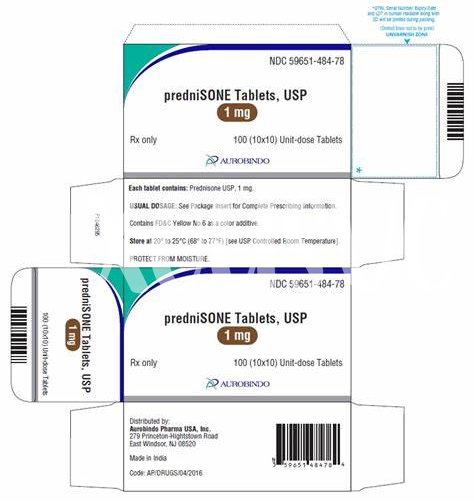
Prednisone tapering can feel like an intricate dance, especially when withdrawal symptoms begin their unique choreography. Some patients notice a notable "hangover" effect, feeling more fatigued or irritable than anticipated. Others might experiance "ghost tablets" where digestive disruptions seem to echo in the form of undissolved stools. To manage these challenges, teaming with a trusted healthcare provider is crucial. They provide not just the 'sig' or directions on your script, but also serve as your guide to gently adjust and address these changes, ensuring a smoother transition.
Lifestyle Tips to Support the Tapering Process
Incorporating lifestyle adjustments can greatly ease the transition when you begin tapering off prednisone. One crucial aspect is maintaining a balanced diet to support your body's adjustment. Ensure your meals are rich in calcium and vitamin D to combat potential bone density loss—a common side effect of long-term steroid use. Engaging in regular physical exercise, such as walking or yoga, can help alleviate stress and maintain muscle strength, although it's important to follow any 'Sig' from your healthcare provider regarding activity levels.
To effectively manage your progress, keep a detailed calender of your medication schedule alongside your daily routine. Documenting changes in weight, mood, or energy levels is critical to spot any 'Occurence' of withdrawal symptoms quickly. The use of a 'Bubble Pack' for organizing pills can help prevent dosage errors and maintain the tapering regimen.
Additionally, staying hydrated and getting adequate sleep are vital components to ensure your body functions optimally. Practicing techniques like mindfulness or meditation may also reduce stress levels. Remember, your journey is unique, so don’t hesitate to ask for support from your healthcare provider to 'Verify' that your current plan meets your individual needs. Implementing these lifestyle changes can make a significant difference in your experience and lead to a more successful tapering phase.
```html
| Lifestyle Change | Suggested Action |
|---|---|
| Diet | Increase calcium and vitamin D intake |
| Exercise | Regular physical activity like yoga |
| Hydration & Sleep | Stay hydrated and maintain a regular sleep schedule |
| Mental Health | Practice mindfulness and meditation |
Keeping Track of Symptoms and Progress
As you embark on the journey of tapering off prednisone, maintaining a daily log can become your compass. This diary details every ache and twinge, providing a tangible record of your experiences and aiding in the fine-tuning of your Comp - compounded medication strategy. Just like how Teh pharmacist carefully performs a Count and Pour, precise documentation is crucial. Whether it's a noticable change in mood or a slight shift in physical symptoms, every detail counts.
Keeping track of these nuances is like a Meds Check with your own body, allowing you to spot patterns or triggers in response to dosage changes. This practice empowers you to have informed discussions with your healthcare provider, helping you to adapt your tapering schedule if unexpected withdrawal symptoms occur. It’s a proactive step towards a smoother transition and can aid in reducing potential hangovers from medication alterations.
Embracing technology can enhance this process. Using apps or digital journaling for real-time tracking can make symptom logging more efficient. You might feel like you're tapping into Pharmageddon at first, but as you persist, it becomes second nature. Over time, this will allow you to create comprehensive reports of your health journey, comparable to handing over a precision-filled Hard Copy of your rx chronicles to your provider.
Ultimately, this comprehensive log not only measures your physical and emotional landscape but also serves as a motivational tool throughout the tapering process. Witnessing your progress can definately bolster your resolve and provide a sense of acomplishment, driving you forward with renewed determination and a clearer understanding of your body’s unique response to the tapering journey.