
 Tacrolimus Therapeutic Drug Monitoring: Why It Matters
Why Tacrolimus Levels Determine Transplant Success
At dawn in the transplant ward, clinicians watch tacrolimus levels as closely as a compass, because those concentrations steer the course between rejection and survival. Measured blood concentrations reflect drug exposure at the patient level, predicting immune suppression intensity. Consistent therapeutic levels reduce acute rejection episodes while minimizing nephrotoxicity and other adverse effects, making monitoring central to long-term graft function.
Personalized dosing guided by trough or AUC targets translates those measurements into action: dose adjustments, adherence checks, and interaction reviews. Rapid feedback loops let teams correct underexposure that risks rejection or limit overexposure that harms kidneys. For patients, understanding why levels matter improves adherence; for providers, monitoring transforms tacrolimus from a gamble into precision care.
| Parameter | Typical Target |
|---|---|
| Trough (C0) | 5–15 ng/mL* |
How Therapeutic Targets Guide Personalized Dosing Strategies
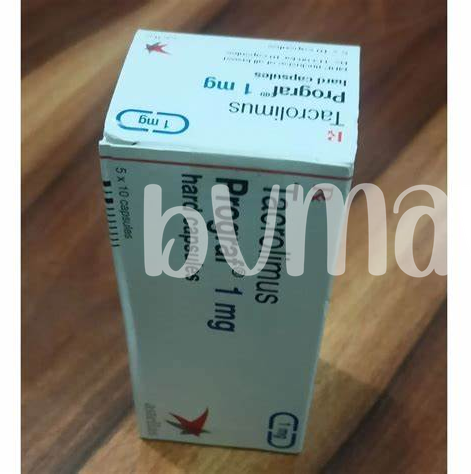
When Maria woke from surgery, her care team treated tacrolimus as a moving target, tuning doses to protect her new organ while avoiding harm. Daily trough checks painted a story of steady absorption or sudden shifts, and each result prompted a personalized tweak rather than a fixed prescription.
Therapeutic ranges inform tweaks: clinicians use troughs, clinical context, drug interactions and trends to calibrate prograf dosing. This balances rejection risk and toxicity and adapts for age, weight, liver function and other drugs, making monitoring a more proactive tool for safer immunosuppression.
Common Factors Causing Tacrolimus Blood Level Variability
Patients often describe tacrolimus as a delicate balancing act; small changes yield large consequences for graft health. Clinicians chase steady troughs to protect function.
Absorption varies with food, gut motility, and interacting drugs like antacids or erythromycin, so formulations such as prograf behave differently.
Liver function, inflammation and hematologic shifts change metabolism; CYP3A enzymes and transporter activity fluctuate between patients. Concurrent infections, age, and drug holidays further complicate predictions in diverse patients.
Adherence, sampling timing, and genetic differences demand vigilant monitoring and individualized dose changes to prevent rejection or toxicity.
Best Practices for Sampling Timing and Assay Selection
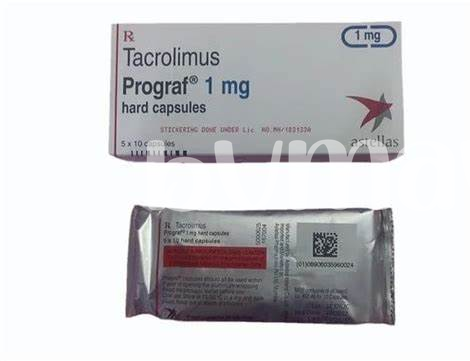
Early mornings in the clinic often set the tone for tacrolimus care; trough samples drawn just before the next dose reliably reflect steady-state exposure. Consistent timing—ideally 12 hours post-dose for twice-daily formulations—reduces noise.
Using validated assays matters. LC‑MS/MS offers superior specificity over immunoassays, avoiding cross-reactivity with metabolites that can overestimate levels; many centers transitioned from older kits to LC‑MS/MS for patients on prograf. Assay choice influences target ranges and clinical interpretation.
Documenting dose time, formulation, and adherence alongside sampling helps clinicians interpret unexpected results. Post-dose (peak) measurements have niche uses but should be clearly labeled to prevent misinterpretation. Communicate recent dose delays, interacting drugs, or gastrointestinal issues when submitting samples.
Standardized protocols, timely communication of results, and collaboration between lab and transplant teams improve dose decisions and patient safety. Regular audit of sampling practices and assay performance supports continual improvement.
Interpreting Results and Adjusting Therapy to Avoid Toxicity
Clinicians read tacrolimus results like a narrative: rising levels warn of toxicity, low values whisper rejection. Timely interpretation saves both graft and patient.
Dose changes use trend, clinical context, and assay reliability; in prograf patients, small reductions often prevent nephrotoxicity while preserving efficacy.
Act promptly: hold or lower dose, reassess trough after steady state, monitor renal function and symptoms. Document changes and educate patients about adherence and interactions including CYP3A interactions.
| Action | Threshold |
|---|---|
| Reduce dose | >15 |
Emerging Tools Pharmacogenetics and Model-informed Dosing
Genetic testing reveals CYP3A5 variants that explain large interpatient differences in tacrolimus clearance and help select an appropriate starting dose based on genotype and clinical factors.
Bayesian and physiologically based models combine patient data and drug kinetics to forecast concentrations and refine dosing between therapeutic drug monitoring samples.
Together, genotype-informed strategies plus model-informed forecasting shorten time to target exposure, lowering rejection risk while minimizing toxicity and reducing monitoring burden postoperatively.
Clinical adoption hinges on accessible assays, decision-support tools, and clinician education to integrate tests and models into routine transplant care.
Prograf — DailyMed Prograf — EMA EPAR