
 Stopping Propecia: Hair Regrowth and Withdrawal Explained
Why Stopping Finasteride Can Trigger Shock Shedding
A sudden pause in finasteride can feel like stepping off a cliff: hair that had stabilized begins to thin rapidly, leaving people shocked. Biologically, the drug suppresses DHT and preserves vulnerable follicles; when the blockade is lifted, DHT levels rebound and many hairs synchronously shift into the telogen (shedding) phase. The result is an accelerated, visible loss rather than gradual decline.
Emotionally the experience is heavy: seeing clumps of hair triggers anxiety and urgent searches for fixes. Clinicians may explain that some follicles were only temporarily rescued and might recover over months if treatment is restarted or combined with other therapies. Patience, monitoring, and a plan with a provider reduce uncertainty and improve outcomes significantly.
| Mechanism | Typical Outcome |
|---|---|
| DHT rebound | Increased synchronized shedding |
Timeline of Hair Loss and Potential Regrowth Phases
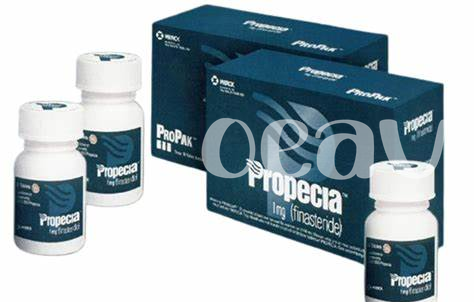
Many people report a dramatic rush of shedding within weeks of stopping propecia, like a storm stripping leaves. This shock phase can be alarming but reflects synchronized follicles shifting into shedding together, not necessarily permanent loss. Awareness of this event reduces panic and guides decisions.
Over months, shedding often peaks two to three months, then tapers as follicles restart growth by six to nine months. Permanent thinning may show by a year if regrowth fails. Regular photos, clinician follow-up, and early interventions improve chances of recovery and set realistic expectations.
Understanding Withdrawal Symptoms: Physical and Psychological Effects
Many people describe a jarring physical response when they stop propecia: increased shedding, scalp tenderness, and a sense that progress has been erased overnight. This is often hormonal rebound as DHT levels rise, temporarily accelerating follicle miniaturization. Symptoms vary in intensity and duration, influenced by prior treatment length and individual biology.
Beyond visible changes, people can experience sexual side effects, fatigue, and cognitive blunting that may be distressing and persistent for some. Emotional reactions—anxiety, low mood, and hypervigilance about appearance—are common and can magnify perceived decline. Tracking photos and timelines helps distinguish normal rebound from lasting loss. If symptoms impair daily life, consult a clinician for evaluation, support, and personalized management and treatment options promptly.
Medical Strategies to Reduce Rebound and Promote Regrowth

When someone stops Propecia abruptly, clinicians often recommend a planned transition rather than sudden cessation. Tapering dosage, substituting topical finasteride, or overlapping with minoxidil can blunt the rebound fall and give follicles time to adjust.
Medical follow-up is essential: baseline labs, hormonal assessment, and scalp photography track progress and catch adverse effects early. Procedural options such as PRP or low-level laser therapy may be added to accelerate regrowth while systemic therapy is modified.
Psychological support, realistic timelines, and clear communication about risks help patients cope during the transition. Coordination with a dermatologist preserves long-term gains and ensures any lingering hair loss after stopping propecia is addressed promptly. Follow-ups often occur every three to six months.
Alternative Treatments: Topical, Supplements, and Procedural Options
When I stopped propecia, I feared the worst, but options exist beyond oral drugs. Topical minoxidil can stabilize shedding and encourage regrowth for many, while anti-inflammatory serums soothe scalp irritation. Nutritional support—biotin, zinc, iron where deficient—helps hair quality, though results take months.
Procedures like PRP or microneedling boost follicle activity and work synergistically with treatments; hair transplant remains the permanent option for advanced loss. Discuss risks and monitoring with a clinician, set realistic timelines, and track photos to judge progress objectively. Combine strategies tailored to your goals, with clinical oversight.
| Option | Purpose |
|---|---|
| Topical Minoxidil | Stimulate growth |
| PRP / Microneedling | Boost follicle activity |
| Supplements | Correct deficiencies, improve hair quality |
| Hair Transplant | Permanent restoration for advanced loss |
Realistic Expectations: Timelines, Permanence, and Monitoring Progress
When you stop medication, your hair may shed quickly; think of it as a reset. Expect notable changes within weeks, not days.
Regrowth follows a slower clock—new hairs can appear after three to six months, with meaningful improvement often taking a year.
Some losses are permanent if follicles were long inactive; others recover partially. Genetics and prior duration of treatment influence outcomes.
Track progress with photos, measurements, and dermatologist visits every three to six months to guide decisions and set realistic hopes. Adjust therapy based on response and tolerance regularly.