
 Tadarise Dosage Guide: Timing and Safety Tips
How This Medication Works and When to Take
Think of it like unlocking a door: the pill relaxes smooth muscle and improves blood flow so natural responses occur more easily. Onset typically happens within thirty to sixty minutes, but individual absorption and other factors change timing.
Timing matters: some take it hours before anticipated activity for convenience, others prefer a shorter window to reduce prolonged effects. Empty stomach may speed absorption; a heavy meal can delay benefit.
Start conservatively and learn how your body responds. Regular schedules differ from as-needed use; consistent dosing can help predict timing and tolerance, while occasional use focuses on situational planning.
Talk with your clinician about expectations, other medications, and health conditions that influence effectiveness. That conversation shapes safe timing, appropriate dose, and when to seek help for unexpected reactions. Track outcomes and share notes with your provider to adjust plans safely periodically.
| Dose | Typical Onset | Notes |
|---|---|---|
| 10 mg | 30–60 min | Common starting option |
Starting Dosage Rules Safety First Not Guesswork
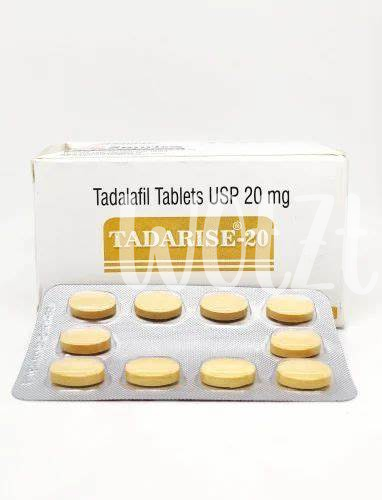
When starting a medication like tadarise, think of it as learning a new route: begin slowly and know the map. Always follow the prescription and manufacturer instructions; never double doses or guess higher amounts. A clinician will choose an initial dose based on age, health, and other medicines.
Common approach is starting at the lowest effective dose then adjusting; keep a symptom diary to help decide. If side effects occur, stop and seek advice rather than self-adjusting. Avoid sharing pills or taking another person's supply.
Safety checks include reviewing heart conditions, blood pressure, and interactions with nitrates or certain antibiotics. Regular follow-up and honest communication with your provider ensure dose changes are safe. Thoughtful, measured steps make therapy effective while minimizing risk. Keep emergency contact plans and carry medical ID listing prescriptions and allergies in case urgent care is needed.
Timing Your Dose Daily Versus as Needed
Deciding whether to use a daily regimen or take a pill only when needed depends on lifestyle and frequency of intimacy. Daily low-dose tadarise offers spontaneity for often-active couples, while on-demand dosing suits occasional encounters.
On-demand tablets require taking the pill about 30 minutes before sexual activity; peak effects may take longer. Because tadarise can last up to 36 hours, planning around that window avoids disappointment and enables greater flexibility.
Daily dosing uses a low, consistent dose to maintain steady levels, which supports spontaneous activity without planning. It can be more convenient and often better tolerated than larger single doses, but it requires daily adherence.
Choosing daily versus as-needed should be a decision with your clinician, based on heart health and other medications. Discuss nitrate interactions, alcohol use, and how often you plan activity; the tadarise plan can be tailored.
Interactions Food and Alcohol What to Avoid
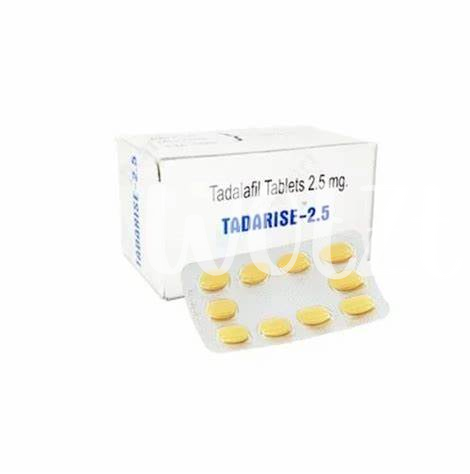
When you take tadarise, what you eat can change how quickly it works. Large, fatty meals may slow absorption, so you might wait longer for effects; grapefruit juice can affect enzymes that break down many medications, so avoid it unless your prescriber says otherwise.
Alcohol can worsen common effects like dizziness and flushing, and drinking heavily with tadarise raises the risk of low blood pressure. Moderation is key: a small drink may be tolerated, but binge drinking or combining with other vasodilators is risky.
Also review prescription and over-the-counter medicines — some antibiotics, antifungals and HIV protease inhibitors can increase tadalafil levels and side effects. Always tell your clinician about supplements and herbal remedies; they can advise safe timing or alternative therapies that reduce interaction risk. When in doubt, pause doses until you get professional guidance to avoid preventable harm promptly.
Recognizing Side Effects and When to Stop
I remember the first dose: light-headed and flushed, a reminder that medication can surprise you. Common mild effects include headache, nasal congestion, and facial flushing; these often fade within hours. Less common but urgent signs are sudden vision changes, chest pain, severe dizziness, prolonged erection, or sudden hearing loss — any of these demand stopping the drug and seeking immediate medical help.
With tadarise, document symptoms, pause dosing if severe, and call your prescriber. Prompt reporting allows adjustment, safer choices, and avoids lasting harm — never ignore alarming signs or seek emergency care.
| Mild | Urgent |
|---|---|
| Headache, flushing | Chest pain, vision or hearing loss |
Consulting Your Doctor about Personal Risks and Considerations
Before starting Tadarise, tell your clinician about heart disease, angina, low blood pressure, stroke, or any recent heart attack; these conditions change safety and dose choices. Mention all prescription, over the counter, and herbal products, especially nitrates, alpha blockers, certain antifungals and antibiotics, and recreational drugs. Also report liver or kidney problems and a history of priapism, as these influence monitoring and timing. Bring a current medication list to your appointment.
Ask about dose adjustments for older age, kidney or liver impairment, and how to manage missed or extra doses. If you experience chest pain, severe dizziness, sudden vision loss, or an erection lasting over four hours, seek emergency care and stop the medication. Discuss expected benefits and side effects, realistic expectations, and follow up to reassess effectiveness and safety. Keep records of outcomes and report problems promptly at visits. MedlinePlus: Tadalafil Mayo Clinic: Tadalafil