
 Tenormin Vs Other Beta-blockers: a Comparison
Overview of Tenormin and Its Uses
Tenormin, also known by its generic name atenolol, is a widely prescribed beta-blocker used primarily to manage cardiovascular conditions. This medication functions by slowing down the heart rate and reducing the workload on the heart, making it an effective treatment for hypertension, angina, and in some cases, to prevent heart attacks. It is typically administered in tablet form with dosages tailored to the specific medical condition and patient's response.
| Medical Condition | Typical Dosage |
|---|---|
| Hypertension | 50-100 mg daily |
| Angina | 50-200 mg daily |
| Heart Attack Prevention | 50-100 mg daily |
By mitigating stress on the cardiovascular system, Tenormin not only helps in controlling symptoms but also plays a role in extending the longevity of patients with heart-related ailments. The drug has a well-established efficacy and is generally well-tolerated, making it a staple in cardiovascular treatment plans.
Common Beta-blockers in Medical Practice
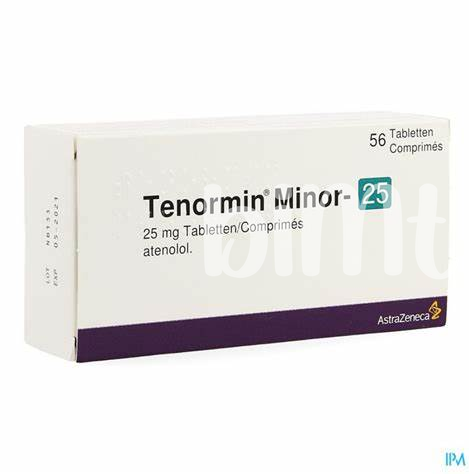
When discussing beta-blockers, it's essential to mention some of the most commonly prescribed ones, such as metoprolol, propranolol, and carvedilol. These medications, along with Tenormin (atenolol), are frequently used to manage cardiovascular conditions like hypertension, angina, and arrhythmias. Tenormin is specifically known for its cardioselective properties, meaning it primarily targets the heart without significantly affecting other parts of the body.
This selectivity makes Tenormin a preferred option for patients with respiratory issues, as it poses less risk of bronchoconstriction compared to non-selective beta-blockers like propranolol. Despite their common goal of managing heart conditions, each beta-blocker offers distinct advantages and may be chosen over others based on individual patient needs and health profiles.
Efficacy: Tenormin Versus Other Beta-blockers
When evaluating the efficacy of Tenormin compared to other beta-blockers, various clinical studies suggest nuanced differences. Tenormin, also known as Atenolol, is particularly effective in treating hypertension and angina. Like many beta-blockers, it works by reducing the heart rate, which lowers blood pressure. Studies have shown that Tenormin's specific cardioselectivity might offer an advantage, especially for patients with respiratory issues where non-selective beta-blockers could cause complications. However, in terms of preventing heart attacks or stroke, Tenormin's performance is comparable to other beta-blockers like Metoprolol or Propranolol. Consequently, the choice often comes down to patient-specific factors and potential side effects.
Side Effects: Comparing Tenormin to Alternatives
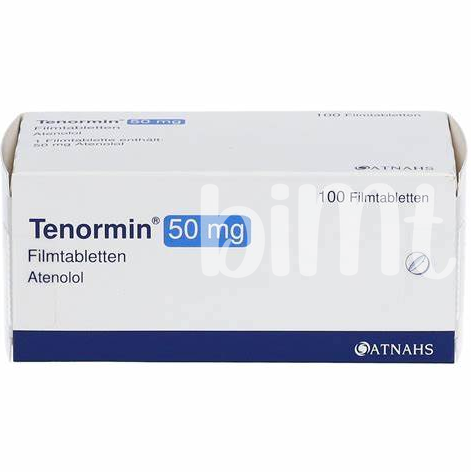
When examining the side effects of Tenormin (atenolol), it’s crucial to note how they stack up against other beta-blockers such as metoprolol and propranolol. Tenormin is often praised for its lower incidence of central nervous system side effects like insomnia and depression, which are more prevalent in propranolol. However, some users report more pronounced fatigue and cold extremities with Tenormin. In comparative studies, the gastrointestinal discomfort linked to metoprolol and carvedilol seems less frequent with Tenormin, making it a preferred option for those sensitive to stomach issues. While each medication has its trade-offs, patient-specific factors play a pivotal role in determining the best choice.
Cost and Accessibility of Tenormin and Others
Tenormin, like other beta-blockers, comes with variations in pricing and accessibility that can significantly impact patient choice. While Tenormin might sometimes be available as a generic (atenolol), its brand name variant typically tends to be more expensive compared to other beta-blockers that are widely available as generics. However, the cost isn’t the only factor; availability can differ greatly depending on the region and pharmacy networks.
Accessibility can also be influenced by insurance coverage, with some plans favoring certain beta-blockers over others based on negotiated prices with manufacturers. This can create a discrepancy in the out-of-pocket expenses for patients. Anecdotal evidence and patient reviews often highlight this financial aspect, as the cost can inform a patient's adherence to their prescribed regimen.
In the table below, we outline a basic comparison of Tenormin against other common beta-blockers regarding cost and accessibility:
```html
| Medication | Average Monthly Cost (USD) | Insurance Coverage | Availability |
|---|---|---|---|
| Tenormin (Atenolol) | $20 - $40 | Varies | Widespread |
| Metoprolol | $10 - $25 | Generally favorable | Widespread |
| Propranolol | $15 - $30 | Varies | Widespread |
| Carvedilol | $25 - $45 | Generally favorable | Widespread |
Patient Experiences and Reviews: Tenormin Vs. Others
Sarah, a long-time hypertensive patient, switched from metoprolol to Tenormin and found her heart rate to be more stable, with fewer episodes of palpitations. She appreciated the decreased frequency of headaches, a common side effect she experienced with other beta-blockers. Furthermore, Jack, another patient with a history of cardiac issues, reported feeling less fatigued on Tenormin compared to when he was on propranolol.
However, not all feedback was positive. Michelle, who had been taking carvedilol, expressed frustration with Tenormin due to experiencing persistent cold extremities, a side effect she did not encounter with her previous medication. While patient experiences varied, these anecdotal reports provide valuable insight into the comparative benefits and drawbacks of Tenormin versus other beta-blockers.