
 Valtrex Vs. Acyclovir: Key Differences Explained
What Are Valtrex and Acyclovir Used for
Valtrex and Acyclovir are antiviral medications with a primary role in fighting herpes viruses. Often prescribed to manage outbreaks of conditions like herpes simplex (cold sores and genital herpes), shingles (herpes zoster), and chickenpox (varicella), they significantly reduce the severity and length of these infections. Physicians sometimes use both drugs to help prevent future herpes outbreaks, especially in individuals with frequent recurrences.
Both drugs form a cornerstone of treatment for patients with weakened immune systems who are at greater risk for complications. Their use extends to post-exposure scenarios, such as after contact with chickenpox or shingles, offering added protection for susceptible individuals.
| Condition | Valtrex | Acyclovir |
|---|---|---|
| Cold Sores | ✓ | ✓ |
| Genital Herpes | ✓ | ✓ |
| Shingles (Herpes Zoster) | ✓ | ✓ |
| Chickenpox | ✓ | ✓ |
How Each Medication Works in the Body
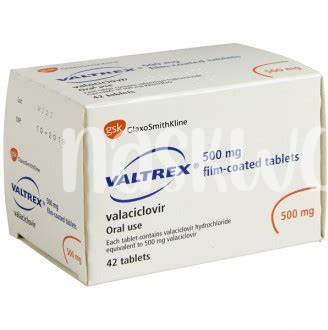
Once inside your body, acyclovir transforms into an active compound that directly targets viral DNA, halting the virus’s ability to multiply. It essentially acts like a speed bump for the replication process, stopping herpes viruses in their tracks. Valtrex, on the other hand, is a prodrug, meaning it’s converted into acyclovir after you take it. This conversion happens efficiently in your digestive system, resulting in higher and longer-lasting acyclovir levels in the bloodstream.
This difference allows valtrex to be taken less frequently, often with fewer daily doses, while still providing strong antiviral action. These unique mechanisms make both drugs reliable choices for managing outbreaks.
Dosage Forms and How They're Taken
Valtrex typically comes in the form of tablets, taken by mouth with or without food. Its design makes it easy to fit into daily life, requiring fewer doses compared to older antivirals. On the other hand, acyclovir is available in several forms, including tablets, capsules, liquid suspensions, and even topical creams for certain infections. People prescribed acyclovir often need to take it more frequently throughout the day.
Both medications should be taken exactly as prescribed by your doctor. Skipping doses or stopping early can reduce their effectiveness. For convenience and simplicity, many patients find valtrex’s dosing schedule easier to stick with than traditional acyclovir regimens.
Effectiveness: Which One Acts Faster

When dealing with viral outbreaks like cold sores or genital herpes, most patients are eager for relief and a quick return to normalcy. In this regard, Valtrex often stands out due to its unique way of delivering a potent dose of medication in fewer daily doses compared to traditional oral acyclovir. Because Valtrex is converted into acyclovir in the body but is absorbed more efficiently, it typically reaches higher levels in the bloodstream more quickly. This leads to patients reporting faster symptom relief and shorter flare-ups, making it a popular choice for those seeking convenience and swift results.
Acyclovir, on the other hand, requires more frequent dosing—usually up to five times a day—which can make adherence challenging for some. While both medications are effective, the simpler dosing schedule and more rapid onset of symptom improvement associated with Valtrex often lead healthcare providers to favor it for busy individuals or anyone struggling to maintain complicated medication routines.
Possible Side Effects and Tolerance Differences
While both medications are generally safe, patients occasionally notice differences in how their bodies react. Valtrex is often better tolerated, with some users experiencing fewer digestive issues compared to acyclovir. Common effects for both can include headache, nausea, or mild dizziness, though severe reactions are rare. Individuals with kidney issues may need special dosing, as both drugs are cleared through the kidneys, and consulting a healthcare provider is crucial.
Some people report mild fatigue or abdominal discomfort, but serious side effects such as hallucinations or kidney problems are very uncommon. Patient experience tends to show that valtrex causes fewer daily interruptions, making it a preferred option for those sensitive to medication. However, because everyone’s body is unique, choices should be individualized with medical input.
| Medication | Common Side Effects | Tolerability |
|---|---|---|
| Valtrex | Headache, nausea, dizziness | Generally well-tolerated |
| Acyclovir | Nausea, diarrhea, abdominal pain | Potential for more GI upset |
Cost, Availability, and Insurance Considerations
When considering treatment with antiviral medications, practical factors like price and accessibility often play a major role in decision-making. Acyclovir is available as a generic option, making it a more budget-friendly choice for most patients. In contrast, Valtrex, particularly its brand-name form, tends to come at a higher cost, though its convenience and dosing benefits may justify the price for some users.
Insurance coverage can vary for both drugs, but generics like acyclovir are usually favored by insurers, resulting in lower out-of-pocket expenses. Pharmacies typically have both medications in stock, but local availability can differ, so checking with your provider ahead of time is always a smart move.