
 Zoloft in Teenagers: Is It Safe?
Understanding What Zoloft Really Is for Teens
In today’s world, teens face pressures that can deeply affect their mental health. Zoloft, also known as sertraline, is a medication belonging to the SSRI class—selective serotonin reuptake inhibitors. It’s specifically designed to help balance serotonin, a chemical that influences mood and emotions.
This medication isn’t meant to change who your teen is, but rather to help stabilize intense emotions or persistent sadness. When prescribed, Zoloft can work alongside therapy to create better outcomes.
| Aspect | Details |
|---|---|
| Type | SSRI Antidepressant |
| Common Brand Name | Zoloft |
| Main Use | Mood stabilization, anxiety, depression |
Why Doctors Prescribe Zoloft to Adolescents

Imagine a teenager wrestling with persistent sadness or overwhelming anxiety, feeling like they're in a battle they can’t win. For many, traditional talk therapy or lifestyle changes aren’t enough, and that's when psychiatrists may consider a medication like Zoloft. As a selective serotonin reuptake inhibitor (SSRI), Zoloft helps rebalance the brain’s natural chemicals that influence mood and emotions. Doctors look for clear signs—such as continued depression despite counseling, social withdrawal, school struggles, or dangerous thoughts—before suggesting medication as part of a comprehensive treatment plan.
When contemplating Zoloft, physicians weigh not just the symptoms but also the teen’s overall well-being, family support, and possible environmental stressors. Combining Zoloft with therapy can foster a more stable emotional foundation, helping adolescents participate more fully in everyday life and build crucial coping skills for adulthood.
Scientific Evidence on Zoloft’s Safety in Teenagers
Over the past two decades, clinical studies have explored how safe and effective zoloft can be for teenagers. Research shows that zoloft, a selective serotonin reuptake inhibitor (SSRI), often helps reduce symptoms of depression and anxiety when prescribed at appropriate doses. The FDA has approved zoloft for use in adolescents with obsessive-compulsive disorder (OCD), highlighting its potential benefits for specific mental health challenges.
Researchers continue to analyze data from large patient groups to monitor long-term safety outcomes. Most findings suggest that while zoloft is generally well-tolerated in teens, there are important risks to watch for—such as changes in mood, behavior, and rare suicidal thoughts. Ongoing supervision by healthcare professionals is crucial to help ensure that teens benefit from treatment while minimizing potential dangers.
Common Side Effects: What Parents Should Know
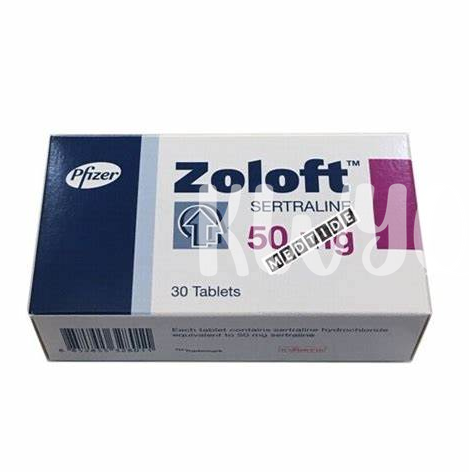
When teenagers start taking Zoloft, parents often wonder what changes to expect. Some of the most common side effects include nausea, headaches, and sleep disturbances. Emotional changes such as irritability or increased anxiety can also occur, especially during the first few weeks. While these effects are usually mild and often fade with time, parents should monitor any behavioral shifts closely. Keeping track of new symptoms helps doctors tailor the treatment and ensures a safer experience for the teen.
Teen Mental Health: Benefits Versus Risks
For some teenagers, depression and anxiety can feel like unsurmountable barriers to daily life. Zoloft, one of the most prescribed antidepressants, has provided relief for many. Improved mood, renewed motivation, and strengthened social connections are often reported benefits. Yet, medication isn’t a magic fix—risks must be weighed carefully.
Unwanted side effects may include sleep changes or irritability. Rarely, suicidal thoughts may increase, especially in the first weeks of treatment. The decision to use Zoloft involves careful evaluation by mental health professionals. Open conversation between teens, guardians, and doctors is vital. Balancing potential improvements with possible challenges supports healthier, safer outcomes.
| Potential Benefits | Possible Risks |
|---|---|
| Reduced depressive symptoms | Increased anxiety or mood swings |
| Better daily functioning | Upset stomach or headaches |
Tips for Safe Use and Open Communication
Parents play a crucial role in ensuring Zoloft is used safely by their teenagers. Setting up a routine for taking medication, such as tying it to a daily habit, can help prevent missed doses. Regular check-ins with the prescribing doctor allow for monitoring of side effects or signs that the medication isn’t working as expected.
Just as important is fostering open, nonjudgmental communication. Encourage your teen to share how they’re feeling, both physically and emotionally. Listen carefully to concerns and report any major changes in behavior—like worsening depression or sudden mood swings—to a healthcare professional as soon as possible for timely adjustments.